Table of Contents
ToggleCreating a beautiful <a href="https://thefolkremedy.com/backyard-quinceanera-party-at-home/”>backyard garden doesn’t require a trust fund or a landscape architect on speed dial. With some creativity, elbow grease, and strategic planning, anyone can transform a patch of dirt into a thriving outdoor retreat without draining their savings. The key is working smarter, repurposing materials, choosing self-sufficient plants, and focusing on high-impact projects that deliver visual punch for minimal investment. Whether dealing with a tiny urban lot or a sprawling suburban yard, these budget-friendly strategies prove that great gardens grow from ingenuity, not just income.
Key Takeaways
- Plan your backyard garden ideas on a budget by mapping out the space on paper first, noting sun exposure and drainage to prevent costly planting mistakes.
- Repurpose household items like five-gallon buckets, old drawers, pallets, and worn tires as planters and garden décor instead of buying expensive containers.
- Choose perennials and easy-growing annuals like marigolds and zinnias from seed packets costing $2–$3, which yield dozens of plants versus costlier transplants.
- Build raised beds from reclaimed materials like cinder blocks ($60 for a 4×8-foot bed) or salvaged lumber instead of spending $150–$300 on commercial cedar beds.
- Create pathways and borders using budget-friendly options like mulch, pea gravel, reclaimed bricks, or repurposed aluminum flashing to define spaces and finish your garden design.
- Add solar pathway lights, string lights, and DIY lanterns starting at $15–$25 per set to extend your garden’s usability and ambiance into the evening without ongoing electricity costs.
Start with a Simple Garden Layout Plan
Before buying a single plant or turning over any soil, map out the space on paper or with a simple smartphone app. Measure the yard’s dimensions, note sun exposure patterns throughout the day, and identify problem areas like poor drainage or heavy shade. This prevents costly mistakes like planting sun-lovers in the shadows or building beds where water pools.
Use spray paint or a garden hose to outline beds, pathways, and focal points directly on the ground. This lets homeowners visualize the layout at full scale before committing to digging. A well-planned garden typically follows the rule of thirds, dividing the space into zones for planting, pathways, and open areas, which creates visual balance without overthinking it.
Consider how the garden will be used. If it’s mainly for evening relaxation after work, position seating areas where they’ll catch late-afternoon sun and plan for outdoor lighting solutions that extend usability. For families who host gatherings, leave enough open lawn for activities while concentrating plantings along borders. Sketching out irrigation access points early saves headaches later, dragging hoses across established beds damages plants and tests patience.
Repurpose Household Items as Planters and Garden Decor
The garage, basement, and even the recycling bin hold surprising potential for garden containers. Five-gallon buckets from joint compound or paint make excellent planters for tomatoes, peppers, or small shrubs, just drill six to eight ½-inch drainage holes in the bottom. Old dresser drawers, wooden crates, and galvanized washtubs work equally well for shallow-rooted plants like lettuce, herbs, or annual flowers.
Broken terracotta pots shouldn’t hit the trash. Stack the fragments to create tiered fairy gardens or use large shards as garden markers by writing plant names with a paint pen. Vintage colanders and enamelware gain second lives as hanging planters with built-in drainage. For vertical gardens, mount old rain gutters to a fence using deck screws and L-brackets, then fill them with potting soil for a living salad wall.
Pallets earn their reputation as the Swiss Army knife of budget gardening. Stand them upright, staple landscape fabric to the back, fill the slats with soil, and plant the pockets with strawberries, succulents, or trailing flowers. One word of caution: only use pallets stamped HT (heat-treated), never MB (methyl bromide), which contains chemicals that leach into soil. Many garden design experts at Gardenista showcase creative container ideas that prove limitations often spark the best innovation.
Even worn-out tires, painted and stacked, create durable planters for potatoes or ornamental grasses, though some gardeners avoid them for edibles due to concerns about leaching. Old ladders become plant stands, and chipped ceramic bowls transform into birdbaths or succulent displays.
Choose Low-Cost, High-Impact Plants
Perennials cost more upfront than annuals but return year after year, making them the budget gardener’s best ally. Daylilies, hostas, black-eyed Susans, and coneflowers tolerate neglect, multiply quickly, and often appear at plant swaps or neighbor giveaways for free. One mature hosta clump can be divided into four or five plants after a few seasons, instant expansion at zero cost.
Annual flowers like marigolds, zinnias, and sunflowers grow easily from seed packets costing $2–$3, yielding dozens of plants versus $5–$8 per six-pack of transplants. Direct-sow seeds after the last frost date, following packet spacing recommendations. Marigolds also deter certain pests, serving double duty around vegetable beds.
For edibles, focus on high-yield crops that keep producing. One cherry tomato plant can generate pounds of fruit over a summer, while a single zucchini plant will produce enough squash to make enemies of the neighbors. Herbs like basil, oregano, and thyme cost $4–$6 at grocery stores but grow from $2 seed packets or $3 starter plants that provide harvests all season.
Check big-box garden centers in late summer for clearance perennials at 50–75% off. The plants may look scraggly, but they’ll establish roots through fall and bounce back vigorously next spring. Local gardening groups on social media often coordinate plant swaps where members exchange divisions and cuttings, bring extras of what’s thriving, leave with new varieties. The comprehensive planting guides at The Spruce offer zone-specific timing and care instructions that help beginners avoid expensive trial-and-error losses.
Build Raised Beds from Recycled Materials
Raised beds improve drainage, extend the growing season with warmer soil, and make gardening easier on the back, but commercially sold cedar beds run $150–$300. Building them from reclaimed materials cuts costs dramatically while delivering the same benefits.
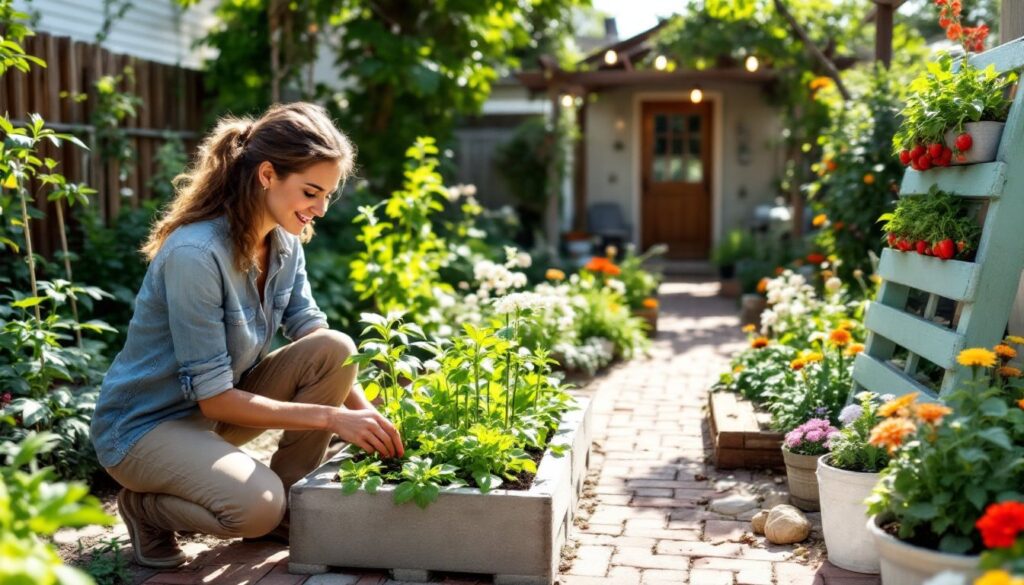
Cinder blocks create sturdy, long-lasting raised beds for $1.50–$2.50 per block. Stack them two high in a rectangular configuration, no mortar required. The hollow cores can hold soil for shallow-rooted herbs or trailing plants like nasturtiums. A 4×8-foot bed needs roughly 30 blocks, about $60 total. Some municipalities offer free or cheap broken concrete chunks that work similarly.
Reclaimed lumber from demolished decks, fencing, or construction sites often appears free on community marketplaces. Use 2×10 or 2×12 boards for bed sides, joining corners with 3-inch exterior deck screws and reinforcing with metal corner brackets. Avoid pressure-treated lumber older than 2004, which may contain arsenic: newer PT lumber uses copper-based preservatives considered safer, though some gardeners still prefer untreated wood for edibles and line the interior with heavy-duty plastic sheeting.
Galvanized stock tanks from farm supply stores make excellent raised beds for $80–$150, depending on size. Drill drainage holes with a ½-inch spade bit every 8–10 inches across the bottom. The metal conducts heat, warming soil earlier in spring, though it may require extra watering in peak summer.
Fill beds using a triple mix: one-third existing soil or topsoil, one-third compost, and one-third peat moss or coconut coir. Bulk soil delivery costs less per cubic yard than bagged products, calculate volume by multiplying length × width × depth in feet, then divide by 27 to convert to cubic yards. A 4×8×1-foot bed needs about 1.2 cubic yards. Adding raised beds alongside areas designed for casual outdoor gatherings creates functional zones that elevate both utility and aesthetics.
Create DIY Garden Pathways and Borders
Pathways define garden spaces, reduce mud tracking, and give landscapes a finished look, all without requiring contractor-grade skills or budgets. Mulch remains the simplest, cheapest option at $25–$35 per cubic yard delivered, or $4–$6 per 2-cubic-foot bag. A 3-foot-wide path needs about 3–4 inches of mulch depth to suppress weeds effectively. Edge the path first with steel landscape edging ($40–$50 per 20-foot roll) or plastic edging ($20–$30) to contain the mulch and create clean lines.
Pea gravel costs slightly more, $40–$60 per cubic yard, but lasts longer than mulch and provides better drainage. Install landscape fabric underneath to prevent weeds from punching through. For stability, spread a 2-inch base of crushed stone or decomposed granite, then top with 2 inches of pea gravel. Compact each layer with a hand tamper or the back of a garden rake.
Reclaimed bricks from Craigslist or salvage yards create charming herringbone or basketweave patterns. Lay them directly on compacted soil for a permeable path, or set them in a 1-inch sand bed for a more formal look. Expect to pay $0.25–$0.75 per brick versus $0.60–$1.50 for new pavers. Irregular flagstones, broken pieces often sold cheap as “patio rejects”, work beautifully as stepping stones through mulched beds.
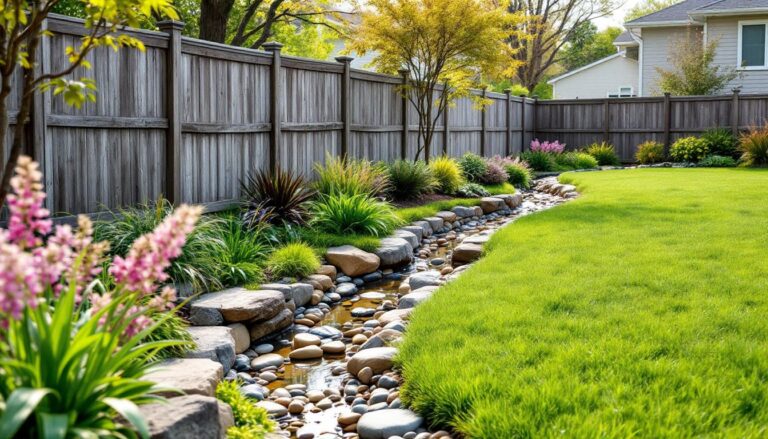
Borders add polish and prevent grass invasion. Pressure-treated 4×4 timbers ($8–$12 per 8-foot length) can be laid flat as mowing strips. Stone borders collected from creek beds, fields, or roadside cleanups cost only labor. For contemporary gardens, repurpose aluminum flashing (sold in 10-foot rolls for $15–$20) as sleek, minimalist edging by driving it 4–6 inches into the soil. Many seasonal ideas featured on Better Homes & Gardens include pathway projects that blend function with visual appeal.
Add Budget-Friendly Lighting and Ambiance
Lighting extends garden enjoyment past sunset and transforms ordinary spaces into evening retreats. Solar pathway lights have improved dramatically in recent years, with decent models starting at $15–$25 per set of six. Position them along paths, around beds, or near focal points like a fountain or specimen plant. They require no wiring and zero electricity costs.
String lights create instant ambiance for $20–$40 per 25-foot strand. Edison-style bulbs offer warm vintage appeal, while globe lights provide softer illumination. Hang them along fences, wrap them around pergola beams, or zigzag them overhead between posts using vinyl-coated cup hooks screwed into overhead structures. Use outdoor-rated extension cords and GFCI-protected outlets for safety. Plugin timer switches ($10–$15) automate the on/off cycle.
For special accents, landscape uplights ($12–$20 each) highlight trees, arbors, or architectural features with dramatic effect. Battery-powered LED spotlights eliminate wiring hassles for renters or those avoiding electrical work. DIY mason jar lanterns made with LED tealights ($8–$12 per dozen) and wire handles hung from shepherd’s hooks provide soft lighting for under $30 total.
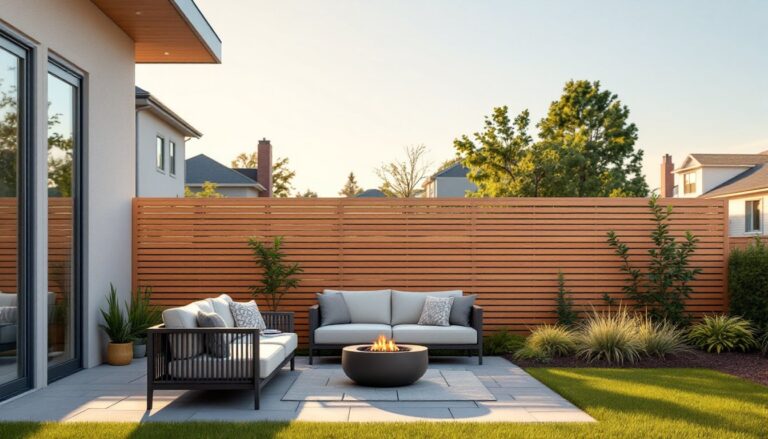
Tiki torches ($5–$10 each) add tropical flair and functional mosquito deterrence when filled with citronella oil, though they require open flame supervision. Fire pits built from stacked retaining wall blocks ($2–$4 per block) create gathering spots with built-in lighting, a 36-inch diameter pit uses about 40 blocks. Check local ordinances first: some municipalities regulate open fires.
Solar-powered fountain pumps ($25–$40) turn any waterproof container into a burbling water feature that adds movement and sound. Use a glazed ceramic pot, half whiskey barrel, or galvanized tub as the reservoir. The gentle water noise masks traffic sounds and creates peaceful focal points that work particularly well in spaces designed for memorable outdoor entertaining.
Conclusion
Budget gardening isn’t about cutting corners, it’s about making strategic choices that deliver maximum impact for minimal investment. By planning thoughtfully, repurposing creatively, and focusing on plants and projects that punch above their price point, any homeowner can cultivate a backyard garden that rivals professionally designed landscapes. The best gardens grow from patience and ingenuity, not platinum credit cards.