Table of Contents
ToggleVinyl fencing has come a long way from the basic white picket stereotype. Today’s homeowners have access to a surprising range of styles, textures, and configurations that can define a backyard’s personality while delivering serious durability. Whether the goal is ironclad privacy, a cottage-garden vibe, or something that mimics the warmth of cedar without the maintenance headaches, vinyl offers solutions that hold up in real-world conditions. This guide walks through the most practical and visually appealing vinyl fence ideas for backyards in 2026, covering everything from classic designs to wood-grain finishes and decorative accents.
Key Takeaways
- Vinyl fencing combines durability with minimal maintenance, resisting rot, rust, and fading for 20+ years without staining or sanding required.
- Modern backyard vinyl fence ideas include white pickets, wood-grain finishes, privacy panels, and ornamental styles, offering solutions for any aesthetic and functional need.
- Wood-look vinyl with embossed textures and varied grain patterns now convincingly mimics real cedar or walnut, costing $28–$45 per linear foot installed for higher-grade products.
- Privacy vinyl fences require posts set deep in concrete footings (at least one-third the fence height) to withstand wind, with tongue-and-groove or shadowbox designs offering visual interest and airflow.
- Color options beyond white—including gray, tan, black, and two-tone combinations—range from $20–$40 per linear foot and should feature UV-stabilized capstock technology for long-term fade resistance.
- Proper installation is critical: ensure adequate expansion gaps for temperature swings, check local zoning codes for height restrictions, and consider mixing styles (ornamental front, privacy side/rear) for cost savings and curb appeal.
Why Choose Vinyl Fencing for Your Backyard?
Vinyl fencing delivers a compelling mix of low maintenance and long-term resilience. Unlike wood, it won’t rot, splinter, or require annual staining. Unlike metal, it resists rust and doesn’t conduct heat, important if kids or pets are running the perimeter on a July afternoon.
Durability matters. Quality vinyl panels are manufactured from polyvinyl chloride (PVC) with UV inhibitors baked into the material, not just surface-coated. This means color stays consistent for 20+ years without fading to that chalky, washed-out look. Most manufacturers offer warranties in the 20- to 30-year range, and some are lifetime transferable.
Maintenance is minimal. A garden hose and mild detergent handle most dirt and mildew. No sanding, no painting, no splinters to dig out of bare feet. That said, vinyl does expand and contract with temperature swings, so proper installation matters, panels need room to move within the rail system, and posts must be set below the frost line (typically 42 inches deep in cold climates per IRC standards).
Cost sits in the middle. Expect to pay $20–$40 per linear foot installed for standard-grade vinyl, depending on height and style. That’s more than chain link or basic wood, but less than composite or wrought iron. Over a 20-year lifespan, vinyl often pencils out cheaper than wood when factoring in stain, sealant, and board replacements.
One caveat: vinyl isn’t infinitely strong. Heavy impacts can crack panels, and repairs usually mean replacing an entire section rather than a single board. It’s also not ideal for sloped terrain without stepped or racked systems, which add labor cost.
Classic White Vinyl Fence Designs
The white vinyl fence remains a go-to for good reason: it’s crisp, versatile, and pairs with nearly any home exterior or landscape palette. But “classic white” now covers a broader range of styles than the cookie-cutter picket.
Picket fences work well for front-yard curb appeal and low backyard borders where visibility matters, think around vegetable gardens or pool areas where sight lines are important for supervision. Standard picket heights run 3 to 4 feet, with spaced or scalloped tops for decorative flair. Dog-eared or French Gothic picket caps add subtle character without veering into fussy territory. These are also popular for creating defined backyard entertaining zones where boundaries matter but sightlines don’t.
Post-and-rail configurations deliver a more open, pastoral look. Two-rail or three-rail designs suit larger properties or areas where livestock or larger dogs need containment. They won’t stop a determined rabbit, but they clearly mark property lines and pair well with flowering shrubs or climbing vines trained along the rails.
Privacy panels in white might sound contradictory, but they work beautifully in modern or coastal settings. Tongue-and-groove panels with no gaps between boards provide full screening while keeping the aesthetic light. White reflects heat better than dark colors, a practical advantage in southern climates.
Installation tip: White shows dirt and mildew more readily than tan or gray, especially in shaded, humid spots. Factor in an annual hose-down, and consider a 30% bleach solution (diluted) for stubborn organic stains.
Wood-Look Vinyl Fencing for a Natural Aesthetic
Wood-grain vinyl has evolved past the unconvincing printed textures of a decade ago. Current manufacturing techniques use embossed molds taken from real lumber, delivering convincing grain patterns, knots, and even simulated weathering.
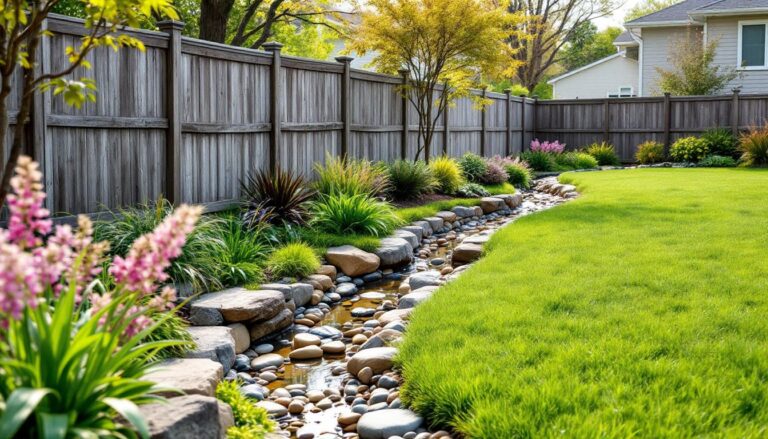
Color options typically include cedar, redwood, walnut, and weathered gray finishes. The gray tones have become especially popular, they mimic the silver patina that untreated cedar develops after a few seasons, but without the actual decay. These finishes pair naturally with stone patios, native plantings, and contemporary outdoor furniture.
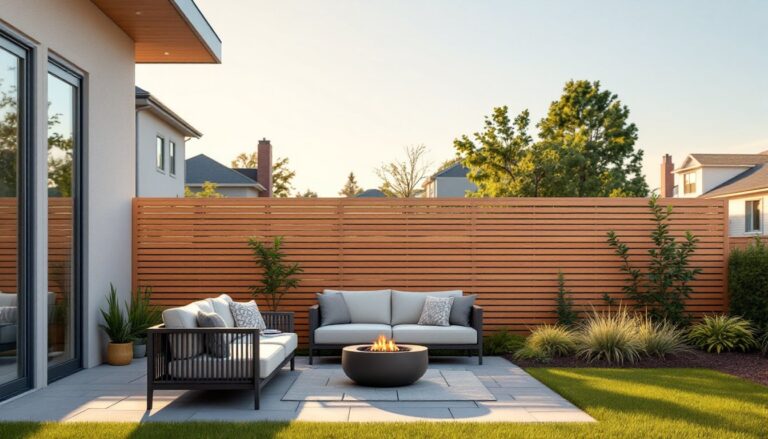
Horizontal-rail styles amplify the wood-look effect. Panels designed with horizontal boards rather than vertical pickets read more modern and less suburban-fence. This orientation also works well on properties with mid-century or ranch-style homes. For a rustic entertainment space, wood-look vinyl provides the warmth of timber without splinters or rot.
Texture depth matters. Cheaper wood-grain vinyl uses shallow, repetitive patterns that look flat from ten feet away. Higher-grade products vary the grain from panel to panel and incorporate color variation within each board, subtle streaks of darker brown or lighter tan that mimic real lumber. This costs more ($28–$45 per linear foot installed) but delivers a far more convincing result.
One limitation: wood-grain finishes are molded into the surface, so deep scratches or gouges expose the solid-color core underneath. It’s not repairable the way wood can be sanded and refinished. For high-traffic zones where lawn equipment or ladders might make contact, consider reserving wood-look vinyl for visible elevations and using standard white or tan where impacts are likely.
Privacy-Focused Vinyl Fence Ideas
Privacy fencing serves a functional purpose, screening views, dampening noise, and creating secure zones for kids, pets, or hot tubs. Vinyl delivers these benefits without the annual maintenance wood demands.
Full-privacy panels use tongue-and-groove boards with zero gaps. Standard heights are 6 feet (the most common residential height before permits may be required in many jurisdictions) or 8 feet for serious screening. Taller fences often need engineer-stamped designs and permits, especially in high-wind zones or near property lines. Always check local zoning codes before ordering materials.
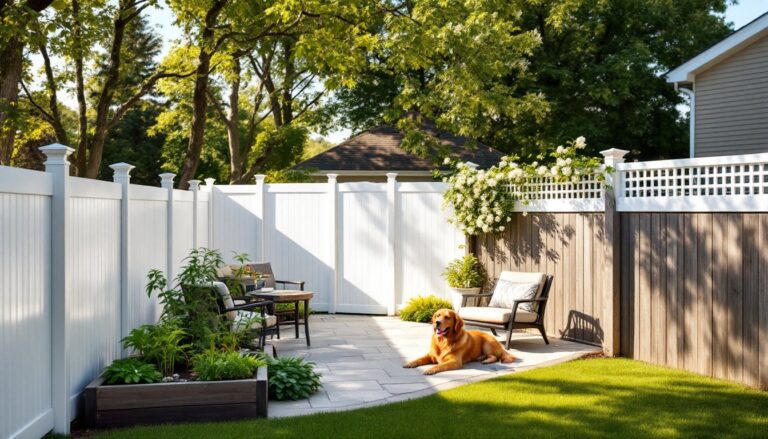
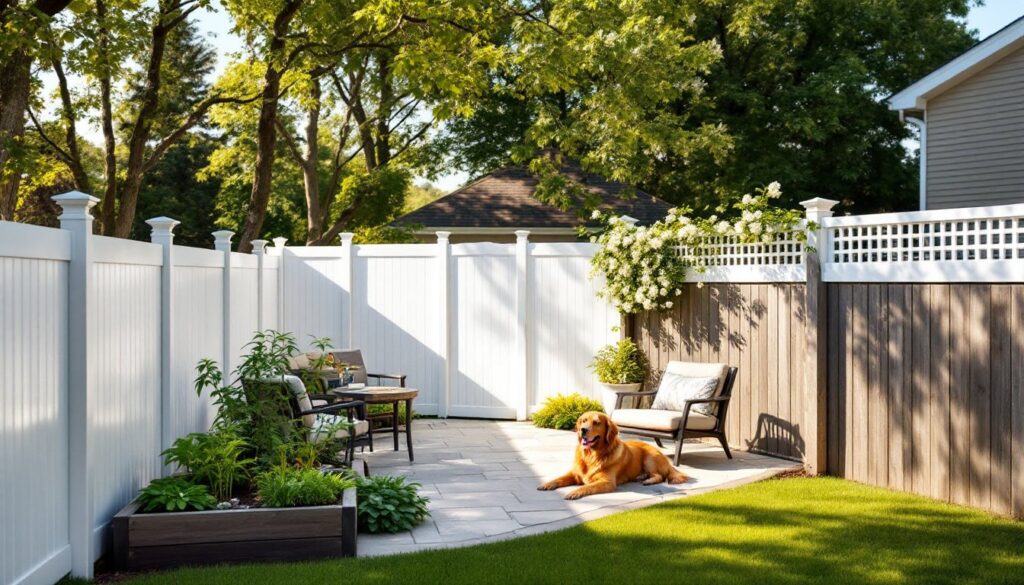
Lattice-top privacy fences combine solid panels (usually 5 to 6 feet) with a 1- to 2-foot lattice section on top. This adds visual interest, allows light and air circulation, and softens the fortress effect of a tall solid fence. The lattice also supports climbing plants, clematis, jasmine, or honeysuckle, without the rot concerns of wood.
Shadowbox (also called board-on-board) privacy styles alternate boards on each side of the rail, creating a fence that looks finished from both sides while allowing slight airflow. This design is more common in wood, but vinyl versions exist. They cost slightly more due to the extra material and labor.
Color choice affects privacy perception. Darker fences (gray, brown, black) recede visually and make spaces feel larger, while white or tan can feel more enclosed. For small yards, consider a darker privacy fence with lighter hardscaping or furniture to balance the effect.
Installation note: Tall privacy fences catch wind. Posts should be set in concrete footings at least one-third the fence height deep (so a 6-foot fence needs posts sunk 2 feet minimum, preferably deeper in sandy or loose soil). Use 4×4-inch nominal posts (actual 3.5×3.5 inches) spaced no more than 8 feet on center for structural integrity.
Decorative and Ornamental Vinyl Fence Styles
Ornamental vinyl mimics the look of wrought iron or aluminum but without the rust, repainting, or price tag. These styles suit formal gardens, pool perimeters, or front-yard borders where elegance matters more than security.
Spear-top and finial designs are the most common ornamental profiles. Panels feature vertical pickets with pointed or decorative caps, often paired with wider horizontal rails andPost caps that echo the picket style. Heights typically range from 3 to 5 feet, making them suitable for decorative boundaries rather than privacy or containment.
Curved or scalloped panels add architectural interest to flat properties. The top rail follows a gentle arc between posts, breaking up the monotony of a straight line. This style works especially well on corner lots or along curved walkways.
Lattice panels (either diamond or square grid) function as standalone fencing for garden rooms or as accent sections within a larger fence run. They’re lightweight, allow partial visibility, and provide structure for climbing roses or vegetables. But, lattice is less durable than solid panels, consider it for low-impact areas rather than along busy pathways.
Some homeowners combine styles: solid privacy panels for side and rear property lines, with ornamental fencing along the front for curb appeal. This creates visual variety and can lower material costs compared to running ornamental vinyl around the entire perimeter.
Installation is similar to other vinyl styles, but ornamental panels are often lighter and may use smaller 3×3-inch posts instead of standard 4×4. For accents around a backyard hangout, decorative vinyl sets the scene without overwhelming the space.
Color and Texture Options Beyond White
While white still dominates the vinyl fence market, color options have expanded significantly. Manufacturers now offer factory-mixed colors with UV stabilizers throughout the material, not surface paint that can peel or fade unevenly.
Tan and beige tones are the most popular non-white choices. They hide dirt better than white, blend naturally with desert or prairie landscapes, and pair well with brick, stucco, or stone home exteriors. Standard shades include khaki, clay, and adobe. These colors also reduce glare compared to bright white, a practical consideration for backyard entertainment areas where harsh reflections can be uncomfortable.
Gray options range from light dove gray to charcoal. Gray vinyl complements contemporary architecture, coastal color schemes, and properties with existing gray hardscaping or roofing. Weathered gray, in particular, delivers a driftwood aesthetic without the maintenance of actual wood. Several manufacturers have noted gray as their fastest-growing color segment.
Black and dark brown vinyl create dramatic borders and work especially well as backdrop fencing for perennial gardens, where the dark color makes foliage and blooms pop. But, dark colors absorb more heat, panels can become uncomfortably hot to touch in direct summer sun, and thermal expansion is slightly greater. Ensure installers leave adequate expansion gaps in rail systems.
Two-tone combinations are increasingly available: white or tan posts and rails with contrasting pickets or panels. This adds visual depth without overwhelming the yard with a single bold color. According to landscape design experts, contrasting trim on fencing mirrors the same principles used in home exteriors, it defines lines and adds architectural interest.
Texture finishes include smooth (traditional), matte (hides scratches and fingerprints better), and embossed grain (wood-look). Smooth finishes are easiest to clean, while textured surfaces can trap dirt in the grooves but provide better grip in wet conditions.
Color durability varies by manufacturer. Look for products with capstock technology, a protective shell layer over the core PVC that resists fading, staining, and impact better than monolithic vinyl. Expect to pay 15–25% more for capstock products, but the longevity and appearance retention usually justify the cost. Many styles draw inspiration from traditional fence designs but adapt them with modern materials.
One practical tip: order panels from the same production batch if possible. Even within the same color line, slight shade variations can occur between batches, and they’ll be noticeable when installed side by side.
Conclusion
Vinyl fencing in 2026 offers far more variety than most homeowners realize, from clean-lined privacy panels to wood-grain finishes and ornamental accents that rival metal. The key is matching style to function: privacy where it’s needed, decorative elements where they enhance sightlines, and colors that complement rather than compete with the home and landscape. With proper installation, posts set deep, panels gapped for expansion, and attention to local codes, a quality vinyl fence delivers decades of low-maintenance service. Whether defining boundaries, creating secluded zones, or adding curb appeal, these designs prove that vinyl has earned its place beyond the basic white picket.