Table of Contents
ToggleMulch isn’t just ground cover, it’s the workhorse of backyard landscaping. Done right, it locks in soil moisture, chokes out weeds, regulates temperature swings around plant roots, and gives beds a finished look. But there’s more variety than the standard shredded hardwood at the big box store. From chunky bark nuggets to rubber crumbles and river rock, each mulch type brings different benefits, maintenance levels, and visual textures. Matching the right mulch to each backyard zone, play area, flower bed, pathway, or tree ring, makes the difference between a landscape that thrives and one that fights you all season.
Key Takeaways
- Backyard mulch ideas should prioritize a 2- to 4-inch depth to reduce watering needs by up to 25%, suppress weeds, regulate soil temperature, and prevent erosion across your landscape.
- Avoid ‘mulch volcanoes’ by pulling mulch back a few inches from tree trunks and plant stems to prevent rot, insect damage, and fungal disease.
- Organic mulches like shredded hardwood and bark nuggets feed soil as they decompose but need refreshing every 12–18 months, while inorganic options like stone and rubber require less maintenance but offer no soil improvement.
- Match mulch type to each zone: use compost or shredded leaves in vegetable gardens, hardwood or bark nuggets in perennial beds, rubber or wood chips in play areas, and rock or lava material on slopes and around foundations.
- Combining different mulch types and colors creates visual definition—dark shredded mulch with stone edging, concentric rings, or checkerboard patterns—while groundcovers like creeping thyme offer a sustainable low-maintenance alternative to traditional mulch.
Why Mulch Matters for Your Backyard Landscape
Mulch does four jobs at once: moisture retention, weed suppression, temperature moderation, and erosion control. A 2- to 4-inch layer slows water evaporation from soil, cutting irrigation needs by up to 25% in hot climates. That depth also blocks sunlight from reaching weed seeds, though nothing stops them completely.
Organic mulches break down over time, adding humus to the soil and improving structure. Inorganic options like stone or rubber stay put for years, requiring less frequent replenishment but offering no soil benefit. Both types insulate roots from summer heat spikes and winter freeze-thaw cycles that stress plants.
Proper mulch application means pulling it back a few inches from tree trunks and plant stems. Piling it against bark invites rot, insect damage, and fungal disease, a mistake called “mulch volcanoes” that kills more trees than most homeowners realize. Spread mulch evenly, avoid compacting it, and refresh organic types annually or when they’ve decomposed to less than 2 inches.
One hidden benefit: mulch defines hardscape borders and keeps grass from creeping into beds. Edge with a flat spade or install metal/plastic edging before mulching to hold the line. Skip this step and you’ll spend weekends battling encroaching turf.
Organic Mulch Options for a Natural Look
Organic mulches decompose, so they need topping off, but they feed the soil as they break down. For most backyard beds, they’re the go-to choice.
Shredded hardwood mulch is the workhorse: affordable, widely available, and medium-textured. It knits together enough to resist washing out on slopes but doesn’t mat down like finer materials. Expect to refresh it every 12–18 months. Dyed versions (red, brown, black) hold color longer but cost more and may contain recycled pallet wood, fine for ornamental beds, but stick with natural if you’re mulching vegetable gardens.
Pine bark nuggets (sometimes called pine bark mini or midi) are chunkier and slower to decompose, lasting up to 3 years. They’re ideal for slopes and high-visibility areas where you want texture. The downside: they’re lighter and can float or scatter in heavy rain. Use them where water flow is controlled.
Shredded cedar or cypress offers natural insect resistance and a pleasant scent. Cedar lasts longer than generic hardwood, closer to 2 years, but costs roughly double. Cypress raises sustainability concerns in some regions, so check sourcing if that matters to you.
Compost mulch works well in vegetable gardens and annual beds. It enriches soil faster than wood mulches but breaks down in a single season. Spread a 1- to 2-inch layer and plan to reapply each spring. Avoid using it around established perennials that prefer lean soil.
Pine straw (pine needles) is common in the Southeast and has a distinct, informal look. It’s lightweight, affordable, and doesn’t alter soil pH as much as old advice claimed. It does blow around and needs replenishing annually. If you’re planning a welcoming outdoor entertaining space, pine straw’s warm tones can complement natural patio areas.
Wood Chips and Bark Mulch
Arborist wood chips, sometimes free from tree services, are coarser and less uniform than bagged products. They’re excellent for pathways, large tree rings, and utility areas where aesthetics take a back seat to function. Fresh chips may temporarily tie up nitrogen as they decompose, so keep them away from vegetable beds or top-dress with a nitrogen-rich fertilizer.
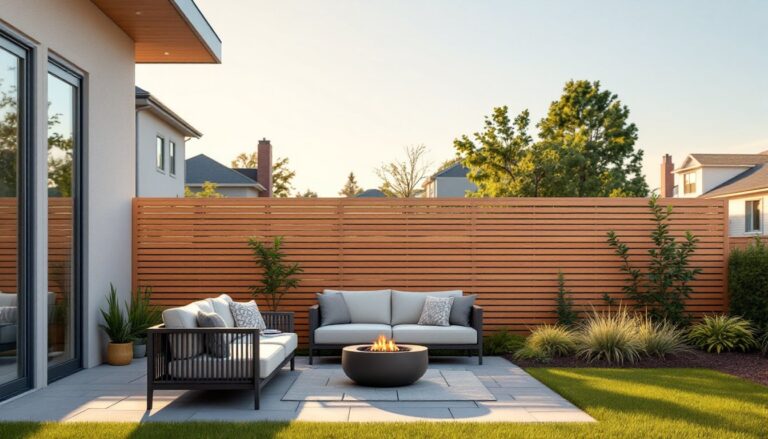
Bark mulch (not shredded, but chunked) ranges from fine “soil conditioner” grade to fist-sized nuggets. Fine bark integrates into soil quickly: large chunks stay put and look tidy for years. Match the size to the scale of your planting: fine for perennials, large for shrub borders and foundation beds. Many homeowners combine decorative mulch with features like fire pits or seating when building a backyard entertainment area.
Wear gloves and a dust mask when spreading bagged mulch, mold spores and splinters are common. Use a wheelbarrow and a garden fork or hands to spread: rakes work but can compact the layer.
Inorganic Mulch Ideas for Low-Maintenance Yards
Inorganic mulches don’t decompose, so they save labor over the long haul. They’re best where you want permanence and don’t need soil improvement.
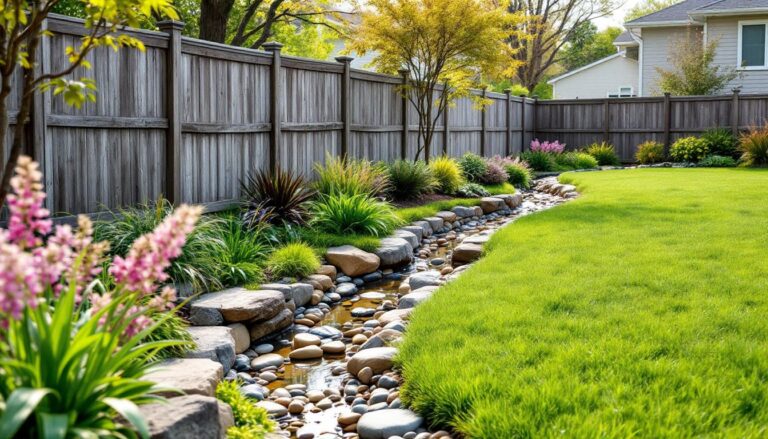
River rock and pea gravel (typically 3/8-inch to 1-inch diameter) suit xeriscapes, cactus gardens, and contemporary designs. They reflect heat, so avoid them around heat-sensitive plants. Over time, dirt and organic debris sift between stones, sprouting weeds. Lay landscape fabric underneath to slow this, but expect to blow or rinse the rock clean periodically. According to landscape designers at Gardenista, gravel works beautifully in minimalist or Mediterranean-inspired gardens.
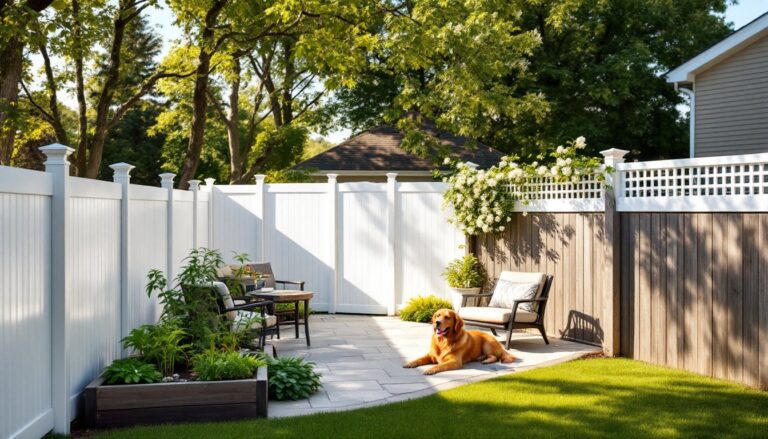
Rubber mulch (shredded from recycled tires) is popular for playgrounds and high-traffic paths. It’s cushioned, long-lasting, and won’t attract termites. Downsides: it doesn’t look natural, can retain odors in hot weather, and may leach trace chemicals, keep it away from edible gardens. It’s a practical choice under swing sets or along dog runs.
Lava rock is lightweight, porous, and available in red or black. It insulates soil well and won’t float, making it useful on slopes. The rough texture can be hard on bare feet, so skip it near pools or patios. It’s pricier than gravel but lasts indefinitely.
Crushed stone or decomposed granite (DG) compacts into a semi-solid surface, good for pathways and between pavers. DG is especially popular in the Southwest. It needs edging to contain it and occasional recompaction after heavy rain. DG pathways feel firmer underfoot than loose gravel, a plus for wheelbarrows and foot traffic.
Landscape fabric or plastic sheeting alone isn’t mulch, but it’s often used under inorganic materials. Woven fabric (not solid plastic) lets water through while blocking weeds. Cheap fabric degrades in sunlight within a year or two: spend a bit more for commercial-grade, UV-resistant fabric that lasts 10+ years. Pin it with landscape staples every few feet and overlap seams by 6 inches.
Creative Mulch Combinations and Design Patterns
Mixing mulch types or colors creates visual zones without hardscape. Use contrasts in texture, size, and hue to define paths, highlight specimen plants, or separate functional areas.
Try dark shredded mulch in beds with lighter-colored stone edging or pathways. The border keeps materials from migrating and adds crisp definition. For a softer look, blend shredded bark in planting beds with pine straw pathways, different textures, similar tones.
Concentric rings of contrasting mulch around a focal tree or sculpture draw the eye. For example, a 12-inch band of black rubber mulch inside a 24-inch ring of red lava rock, then back to dark hardwood. Keep bands wide enough to read from a distance: narrow stripes look messy.
Checkerboard or grid patterns work in formal or geometric landscapes. Mark out squares with stakes and string, then alternate mulch types, say, pea gravel and dark bark. This takes time and precision, so it’s best saved for smaller, high-visibility areas near entries or patios. For those designing a full backyard hangout space, coordinating mulch patterns with seating zones can tie the design together.
Consider living mulch, low groundcovers like creeping thyme, sedum, or clover, between stepping stones or in low-traffic beds. They suppress weeds, stay green, and reduce the need for organic mulch. Plant them close (6–8 inches apart) and mulch lightly around them the first season until they fill in. Not zero-maintenance, but a step toward it. Landscape advice from The Spruce highlights groundcovers as a sustainable alternative to traditional mulch in shaded or erosion-prone areas.
If you’re installing new beds, layer cardboard or several sheets of newspaper under mulch as a biodegradable weed barrier. Wet it down, then mulch on top. It’ll smother existing weeds and decompose within a season, adding carbon to the soil.
Best Mulch Choices for Different Backyard Zones
Match mulch to the demands of each area. Vegetable gardens benefit from compost mulch or shredded leaves: they decompose fast and feed heavy feeders like tomatoes. Avoid wood chips here, they can tie up nitrogen and slow growth. Straw works too, but buy seed-free straw, not hay, unless you want a weed crop.
Perennial and shrub beds do well with shredded hardwood or bark nuggets. These last long enough that you’re not constantly reapplying but still improve the soil over time. Around acid-loving plants (azaleas, blueberries, rhododendrons), pine bark or pine straw can help maintain lower pH, though the effect is mild.
Tree rings need durable, coarse mulch that won’t pack down or retain moisture against the trunk. Arborist chips or large bark nuggets are ideal. Keep mulch 3–6 inches away from the trunk and extend the ring to the drip line if possible, roots stretch far beyond what you see above ground. Experts at Hunker recommend mulching out to the canopy edge for young trees to protect feeder roots.
Play areas and pathways call for safety and traction. Rubber mulch or wood chips (not bark) cushion falls: for pathways, go with decomposed granite, pea gravel, or compacted wood chips. Avoid loose, chunky materials where kids run, they’re a tripping hazard.
Slopes and erosion-prone zones need something that stays put. Pine bark nuggets, lava rock, or jute netting with mulch on top resist washing. Don’t use lightweight materials like pine straw or pea gravel unless you’re willing to rake them back after every storm. A dedicated entertainment zone with level ground can use finer mulches, but slopes demand heavier options.
Around foundations and hardscape, inorganic mulch (stone, rubber) reduces the risk of termites and keeps moisture away from siding. If you prefer organic mulch for aesthetics, maintain a 6-inch gap between mulch and wood surfaces and inspect regularly for insect activity. For those creating distinct zones as part of a larger backyard entertainment plan, inorganic mulch around patios keeps things tidy and low-maintenance.
Xeriscape and desert gardens thrive with rock mulch or DG. These reflect heat and suit drought-tolerant plants. Organic mulches break down too fast in hot, dry climates and require more frequent replacement.
Always water beds before mulching so moisture is locked in. Mulch on dry soil traps dryness just as effectively as it retains moisture.
Conclusion
Choosing the right mulch for each backyard zone, whether it’s shredded hardwood for flower beds, rubber for play areas, or river rock for xeriscapes, sets up a landscape that looks sharp and works with you, not against you. Take time to prep properly: pull weeds, edge beds, and lay fabric if needed. The upfront work pays off in less watering, fewer weeds, and healthier plants all season.