Table of Contents
ToggleA fire pit turns any patio into a destination. It’s not just about warmth, it’s the focal point that keeps people lingering after dinner, makes s’mores possible, and extends the outdoor season well into fall. Whether working with a compact concrete pad or a sprawling stone terrace, there’s a fire pit design that fits the space, budget, and skill level. From permanent in-ground installations to portable bowls that move with the furniture, the options span rustic stone rings to sleek steel statements. This guide walks through seven practical fire pit ideas, covering materials, installation considerations, and the layout decisions that make outdoor spaces genuinely functional.
Key Takeaways
- Backyard patio fire pit ideas range from permanent in-ground installations to portable options, each offering different benefits in terms of durability, flexibility, and aesthetic appeal.
- In-ground and stone fire pits require excavation, proper drainage, fire brick liners, and at least a 12-inch non-combustible border for safety, but create a seamless, built-in look.
- Portable fire pits made from 14- to 16-gauge steel or cast iron offer flexibility for renters and small patios, but must be placed only on concrete, stone, or fire-rated pads—never directly on wood decks.
- Modern metal fire pits in Cor-Ten or stainless steel complement contemporary patio designs and heat up faster than masonry, though they require proper clearance from soil to prevent rust.
- Position seating 3 to 5 feet from the fire pit edge in a circular or three-quarter circle arrangement, and maintain 10-foot minimum clearance from structures and 15 feet from overhanging trees or branches.
- Always use a spark screen, keep a garden hose or fire extinguisher nearby, check local building codes for permit requirements, and never leave a fire unattended.
In-Ground Fire Pits for a Sleek, Built-In Look
In-ground fire pits sit flush with the patio surface or yard grade, creating a seamless look that doesn’t interrupt sightlines. They work especially well on large patios where a raised structure would feel bulky.
Construction basics: Excavate a pit 18 to 24 inches deep and line it with fire brick or heat-resistant block. The bottom should have a 4-inch gravel base for drainage, standing water will crack masonry. Include a steel liner or fire ring insert (typically 30 to 36 inches diameter) to contain flames and protect the surrounding stone or concrete.
This design requires more upfront labor than a portable unit, but it’s permanent and won’t tip or shift. Check local codes: some jurisdictions classify in-ground pits as permanent structures requiring a permit. If the patio is existing poured concrete, cutting and removing a section is a jackhammer job, messy, but doable for someone comfortable with demo work.
Fuel options: Natural gas or propane lines can be trenched in during excavation, eliminating the need to haul wood. If running gas, hire a licensed plumber or gas fitter. DIY gas work is illegal in most areas and voids homeowner’s insurance.
Surround the pit with non-combustible coping, flagstone, granite, or concrete pavers. Leave at least a 12-inch non-combustible border between the fire ring and any seating or wood structures. In-ground pits pair well with outdoor entertaining setups where the fire becomes the centerpiece of the layout.
Portable and Movable Fire Pit Options
Portable fire pits offer flexibility without the commitment of permanent construction. They range from lightweight steel bowls to rolling carts with side tables, and they’re ideal for renters, small patios, or anyone who wants to rearrange furniture seasonally.
Material considerations: Look for 14- to 16-gauge steel or cast iron. Thin sheet metal warps after a few burns. Copper and stainless steel hold up well but cost more. Many portable units include a mesh spark screen, essential if burning wood, since embers can travel 20 feet in a breeze.
Portability features: Models with wheels or handles make moving easier, but check the weight. A 30-inch steel bowl can weigh 40 pounds empty and twice that with ash buildup. Some designs fold or nest for winter storage, which matters if garage or shed space is tight.
Portable pits work on any non-combustible surface, concrete, stone, or fire-rated patio mats (fiberglass or silicone, rated to 1,000°F). Never place them directly on wood decks or composite decking. Even with a base pad, radiant heat can scorch or ignite decking over time. If burning on a deck is non-negotiable, use a propane model with legs at least 6 inches tall and a rated deck protector underneath.
Fuel flexibility: Wood-burning portables need frequent ash cleanout. Propane or gel fuel models eliminate ash and smoke but lack the crackle and scent of wood. For backyard entertaining where ambiance matters, wood is hard to beat.
Stone and Brick Fire Pit Designs
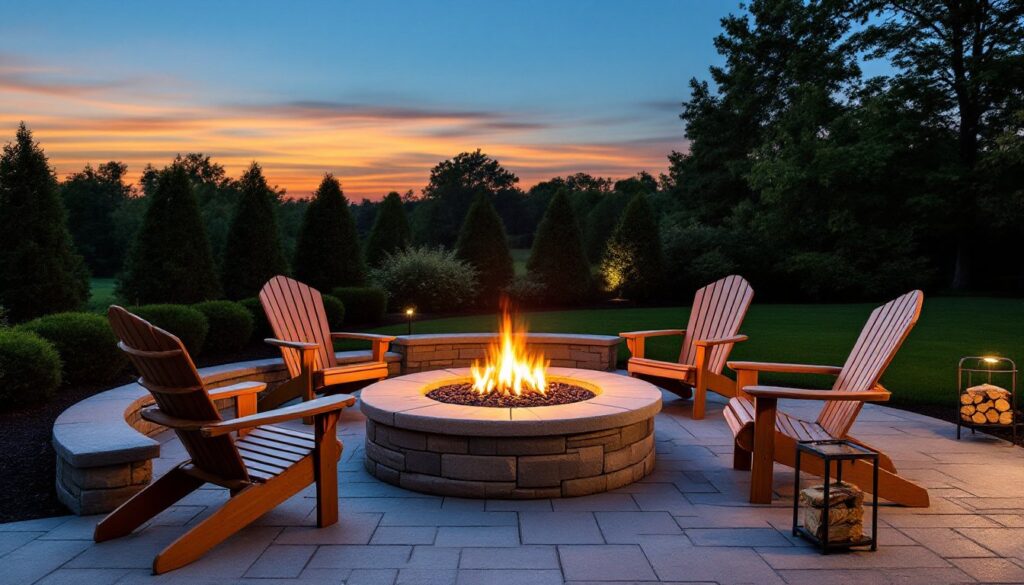
Stone and brick fire pits deliver a classic, grounded look that suits traditional and farmhouse-style patios. They’re permanent installations but don’t require the excavation depth of in-ground designs.
Block options: Standard concrete block (CMU) works but looks unfinished. Face it with natural stone veneer, firebrick, or split-face block for a polished appearance. Retaining wall block (like those used for garden walls) stacks without mortar and includes a lip for alignment, faster for DIYers and easier to level on uneven ground.
Height and diameter: A 12-inch wall height is common: it contains flames without blocking heat. Interior diameter should be 30 to 40 inches for a wood fire, 24 to 30 inches for gas. Larger diameters spread heat over a wider area, which sounds good but often leaves people on the edges cold while those up close sweat.
Dry-stack vs. mortared: Dry-stacked stone (no mortar) allows for drainage and is more forgiving if the base settles. Mortared joints look cleaner and hold up better in freeze-thaw climates but require a solid footing, usually a 4-inch concrete pad extending 6 inches beyond the block perimeter. Pour the pad level, or every course will fight you.
According to experts at Gardenista, natural stone pairs especially well with cottage-style gardens and rustic patio materials.
Cap it: Top the wall with coping stones or concrete caps to shed water and provide a finished edge. Coping also gives people a place to rest drinks or roasting sticks, though it will get sooty.
Safety note: Always include a steel fire ring insert inside stone or brick pits. Direct flame against porous stone can cause spalling (surface flaking) or cracking from trapped moisture. The insert isolates heat and extends the life of the masonry.
Modern Metal Fire Pits for Contemporary Patios
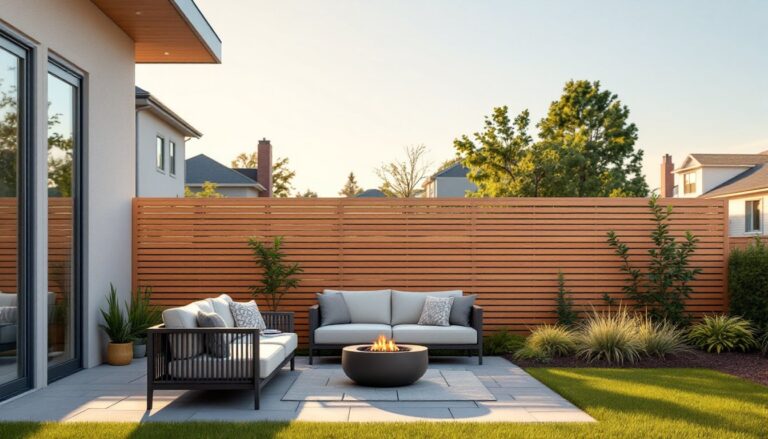
Metal fire pits suit mid-century, industrial, and minimalist patio designs. They’re clean-lined, low-maintenance, and available in finishes that develop patina over time or stay factory-bright for years.
Material grades: Cor-Ten steel (weathering steel) rusts to a stable, protective layer and won’t corrode further, popular for modern landscapes. Stainless steel stays shiny but shows fingerprints and water spots. Powder-coated steel offers color options (matte black, bronze, charcoal) but the coating eventually blisters near the firebox: touch up with high-temp paint rated to 1,200°F.
Design styles: Bowl-style pits sit low and wide, often with a tripod or pedestal base. Linear or rectangular troughs fit contemporary patios with strong geometry and work well on narrow spaces where a round pit would crowd walkways. Gas-fed steel pits often include lava rock or fire glass instead of logs, reinforcing the modern aesthetic.
Many metal designs are prefabricated and ship ready to use, no masonry skills required. Set them on pavers, gravel, or poured concrete. Avoid direct contact with soil: standing moisture accelerates rust even on Cor-Ten.
For backyard entertainment areas, sleek metal pits complement outdoor kitchens and modern furniture better than rustic stone.
Propane integration: Most modern metal pits are designed for propane or natural gas. A 20-pound propane tank typically runs 8 to 10 hours on a medium flame. Conceal the tank in a base cabinet or behind a privacy screen, exposed tanks undermine the design.
Metal pits heat up fast and cool down faster than masonry, which is an advantage if shutting down quickly for weather or bedtime.
Fire Pit Seating and Layout Ideas
A fire pit only works if seating is comfortable and positioned correctly. Too close, and guests roast. Too far, and conversation dies.
Distance guidelines: Place seating 3 to 5 feet from the fire pit edge. Closer than 3 feet risks singed clothing and overheating: farther than 5 feet loses warmth and intimacy. For a 36-inch diameter pit, this means a total circle of about 12 to 14 feet in diameter, including the pit and seating.
Seating types: Built-in stone or block benches create a permanent layout and don’t blow over in wind. Cap them with 2×10 or 2×12 lumber (cedar or treated pine) for a warmer sitting surface, stone stays cold. Freestanding Adirondack chairs or deep-seat patio furniture offers cushioning and adjustability. Avoid lightweight resin chairs: they melt if placed too close.
Arrange seating in a full circle for large groups or a three-quarter circle to leave access for tending the fire. U-shaped or L-shaped arrangements work on smaller patios where a full circle would block pathways.
Ground surface: Gravel, decomposed granite, or pavers are ideal underfoot. Grass gets trampled and muddy. If keeping grass, install permeable pavers in a grid to protect turf and provide stable footing.
For outdoor night parties, add low-voltage path lighting around the seating area, not spotlights. The fire provides ambient light: additional lighting should guide movement, not compete.
Wind blocks: A low garden wall, hedge, or panel screen on the prevailing wind side reduces smoke drift and keeps flames steadier. According to Southern Living, well-placed hedges also add privacy and soften the hardscape around fire pits.
Safety Tips and Placement Considerations
Fire pits are open flames. Treat them with the same respect as a grill or fireplace.
Clearances: Keep the pit 10 feet minimum from structures (house, shed, fence), 15 feet from overhanging trees or pergola beams. Check local fire codes, many jurisdictions have specific setback rules, and some HOAs ban open flames entirely. A permit may be required for permanent installations or pits over a certain BTU output.
Surface requirements: Pits must sit on non-combustible surfaces, concrete, stone, brick, or fire-rated pads. Wood decks and composite decking are off-limits for wood-burning pits. Propane models with legs and a base pad are sometimes allowed, but verify with local codes and decking manufacturer guidelines.
Fuel storage: Store firewood at least 10 feet from the pit. Propane tanks should be upright, in ventilated areas (never in a garage or shed), and kept away from ignition sources.
Extinguishing: Keep a garden hose or fire extinguisher (Class A for wood, Class B for gas/propane) within reach. Douse wood fires thoroughly with water, stir the ashes, and douse again. Embers can smolder for hours and reignite.
Wind and weather: Avoid lighting fires when winds exceed 10 mph, embers become projectiles. Many areas enforce burn bans during dry seasons. Check local air quality regulations before each use.
PPE and supervision: Wear closed-toe shoes and avoid loose, synthetic clothing (polyester melts). Never leave a fire unattended, and keep children and pets at a safe distance. Install a spark screen on wood-burning pits to contain embers.
For more guidance on creating safe backyard hangouts, consider reviewing local building codes or consulting with a landscape professional. The Spruce also offers comprehensive safety checklists for outdoor fire features.
Conclusion
Choosing the right fire pit comes down to patio size, design style, fuel preference, and how much digging or building the project involves. In-ground and stone pits offer permanence and a custom look but require more labor and possibly permits. Portable and metal options deliver flexibility and faster setup. Either way, proper clearances, non-combustible surfaces, and thoughtful seating layout make the difference between a fire pit that gets used every weekend and one that sits cold.