Table of Contents
ToggleA well-defined backyard border transforms an ordinary yard into a polished, purposeful outdoor space. Whether creating clear property lines, separating planting zones, or adding visual structure to a sprawling lawn, borders provide both function and form. The right border guides foot traffic, controls erosion, and frames landscape features without requiring a full-scale renovation. In 2026, homeowners are blending natural materials with hardscape elements to build borders that work with their maintenance schedule and design goals. This guide breaks down practical, proven border solutions that deliver results, no lifestyle fluff, just actionable steps.
Key Takeaways
- Backyard border ideas create visual separation between lawn and planting beds while reducing mowing effort and preventing grass from encroaching on garden areas.
- Plant-based borders like perennials, lavender, and ornamental grasses offer low-maintenance options when spaced properly (12–36 inches apart depending on species) and mulched initially.
- Hardscape solutions such as stone, brick, and steel edging provide permanence on sloped terrain and high-traffic zones, with metal edging offering crisp modern lines and wood creating raised beds up to 24 inches tall.
- Proper site preparation—including digging trenches, compacting gravel bases, and calling 811 to mark utilities—accounts for 80% of border longevity and prevents early settling.
- Different border materials demand varying maintenance: ornamental grasses need annual spring cleanup, hedges require seasonal pruning, while stone and metal edging need occasional resetting in freeze-thaw climates.
- Safety gear and proper lifting techniques are essential when installing heavy materials, and retaining walls over 4 feet typically require permits and professional engineering consultation.
Why Backyard Borders Matter for Your Outdoor Design
Borders solve real problems in residential landscapes. They create visual separation between lawn and planting beds, preventing grass from creeping into mulched areas and reducing string trimmer damage to plants. A defined edge also simplifies mowing, no more guessing where the garden ends and the turf begins.
From a design standpoint, borders anchor landscape features. They guide the eye along pathways, highlight specimen trees, or frame a backyard entertaining space by marking transitions between zones. Without them, even well-maintained yards can read as cluttered or unfinished.
Borders also offer functional benefits: erosion control on slopes, root barriers for aggressive spreaders like bamboo, and weed suppression along bed edges. Metal and plastic edging products often include a buried lip that blocks rhizomes, while raised stone borders improve drainage in low-lying areas.
Before choosing a border type, assess the yard’s grade, soil type, and sun exposure. A flat, sunny lawn tolerates ornamental grasses and low hedges. Sloped terrain or clay soil may require hardscape edging for stability. Consider maintenance tolerance, too, hedge rows demand seasonal pruning, while stone edging is set-and-forget.
Natural Plant and Flower Borders
Perennial Gardens and Hedge Rows
Perennial borders deliver color and texture year after year without replanting. Hardy geraniums, salvia, and daylilies form dense clumps that define bed edges while tolerating foot traffic and occasional neglect. Plant them in staggered rows, spacing 12–18 inches apart to allow for mature spread. Mulch between plants to suppress weeds until the canopy fills in, typically by the second season.
For formal borders or property lines, boxwood (Buxus) and privet (Ligustrum) create traditional hedge rows. Boxwood grows slowly to about 2–4 feet, requiring annual shaping in late spring. Privet grows faster, up to 12 inches per year, but needs pruning twice a season to maintain a clean line. Plant 18–24 inches on center for a solid hedge within three years.
Lavender works well in dry climates and poor soil, forming a fragrant border that deer avoid. English lavender (Lavandula angustifolia) tolerates USDA zones 5–9: Spanish lavender (L. stoechas) handles heat in zones 7–10 but suffers in humid summers.
Water new plantings deeply twice a week for the first month, then taper to weekly as roots establish. Hedge rows benefit from a spring application of balanced fertilizer (10-10-10) and a 2–3 inch mulch layer to retain moisture and regulate soil temperature.
Ornamental Grasses and Low-Maintenance Options
Ornamental grasses thrive in full sun with minimal irrigation once established, making them ideal for backyard entertainment areas in arid regions. Karl Foerster feather reed grass (Calamagrostis × acutiflora) grows upright to 4–5 feet, forming a vertical border that tolerates clay and seasonal flooding. Blue fescue (Festuca glauca) stays compact at 8–12 inches, perfect for edging walkways or raised beds.
For movement and texture, maiden grass (Miscanthus sinensis) varieties like ‘Morning Light’ or ‘Gracillimus’ reach 5–7 feet with arching foliage and late-summer plumes. Space plants 24–36 inches apart: they’ll form a dense screen by year two. Cut grasses back to 4–6 inches in late winter before new growth emerges.
Liriope (lilyturf) and mondo grass (Ophiopogon) excel in shade and part-sun, offering evergreen borders in zones 6–10. Liriope spreads by rhizomes, filling gaps naturally: divide clumps every 3–4 years to prevent overcrowding. Both tolerate dry shade under trees where turfgrass struggles.
These plants require little beyond spring cleanup and occasional division. Skip fertilizer on grasses, excess nitrogen weakens stems and encourages floppy growth. Water every 10–14 days during the first season, then rely on rainfall except during extended drought.
Hardscape Border Solutions
Stone, Brick, and Paver Edging
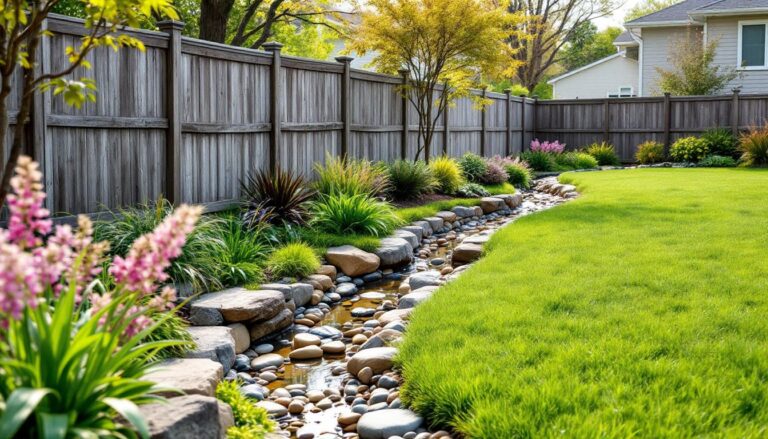
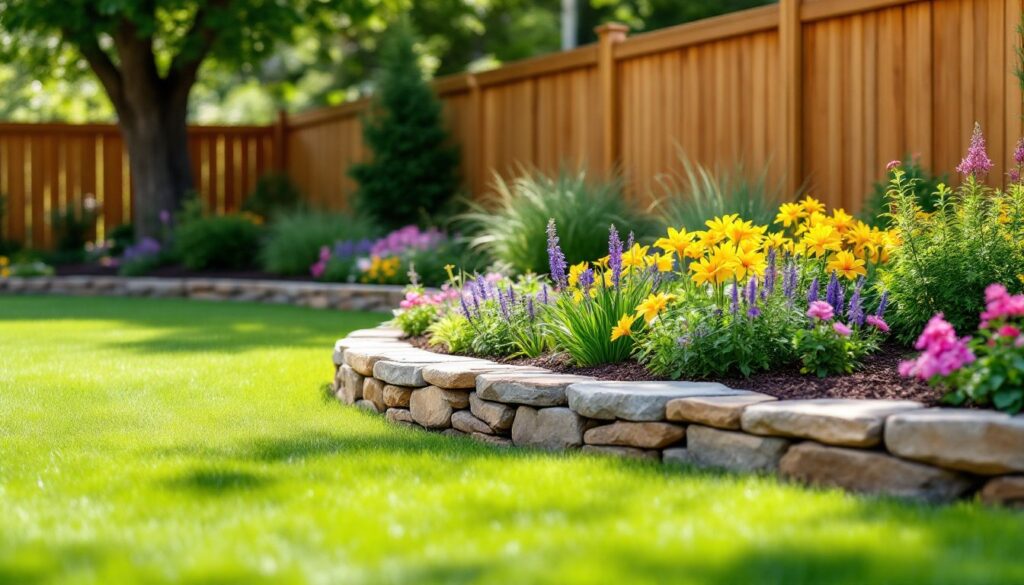
Stone and brick borders deliver permanence and structure, especially on sloped sites or high-traffic areas. Natural fieldstone creates an informal, rustic look when dry-stacked along bed edges. For stability, bury the bottom third of each stone and stagger joints like brickwork. Larger stones (50+ lbs) stay put without mortar: smaller stones may shift over time and require occasional resetting.
Brick edging works well for traditional or cottage-style gardens. Lay bricks end-to-end on a 2-inch sand base, setting them slightly below grade so the mower deck clears the top edge. For curved borders, space bricks slightly apart on the outer edge to follow the arc. Mortared brick edging requires a 4-inch gravel base and concrete footer in freeze-thaw climates to prevent heaving.
Concrete pavers (6×6 or 4×8 inches) offer uniform sizing and interlock for straight or gently curved borders. Dig a trench 6–8 inches deep, compact 4 inches of gravel base, add 1 inch of sand, then level pavers with a rubber mallet. Sweep polymeric sand into joints to lock pavers in place and resist weed growth. A backyard outdoor entertaining area benefits from paver borders that transition seamlessly into patios or walkways.
Flagstone creates an irregular, organic border ideal for naturalistic landscapes. Set stones in mortar or dry-lay on compacted soil, filling gaps with groundcover like creeping thyme or Irish moss. Flagstone varies in thickness (1–3 inches), so select pieces with consistent depth for easier installation.
For detailed edging techniques and design inspiration, Gardenista’s garden edging guide showcases a range of stone and masonry approaches.
Metal and Wooden Border Installations
Steel edging (14- or 16-gauge) creates crisp, clean lines for modern landscapes. It’s flexible enough for curves yet rigid enough to hold shape without stakes. To install, dig a 4-inch trench along the border line, set the edging in place, and backfill, leaving ½–1 inch above grade. Steel edging typically comes in 8- or 10-foot sections that join with metal stakes. Raw steel develops a rust patina: choose powder-coated edging for a consistent finish.
Aluminum edging resists rust and bends easily for tight curves, but it’s less sturdy than steel and may warp under pressure from heavy mulch or soil. Use it for decorative borders, not high-stress applications like tree rings on slopes.
Pressure-treated lumber (4×4 or 6×6) builds raised borders and retaining walls up to 18–24 inches tall. Pressure-treated wood rated for ground contact (UC4A or higher) resists rot for 20+ years. Anchor timbers with ½-inch rebar driven through pre-drilled holes every 4 feet. Offset joints like brickwork for structural integrity. For walls over 24 inches or on steep slopes, consult a structural engineer, retaining walls may require permits and proper drainage systems (weep holes, gravel backfill).
Cedar or redwood boards (2×6 or 2×8) offer natural rot resistance without chemical treatment, though they cost 2–3 times more than pressure-treated pine. Both fade to gray unless sealed annually with a UV-resistant stain. Stake boards every 3–4 feet with 2×2 stakes driven 12 inches into the ground.
Plastic and composite edging flexes for curves and costs less than metal, but UV exposure makes it brittle over time. Expect 5–10 years before replacement. It works for temporary borders or rentals but lacks the longevity of metal or masonry.
Always wear cut-resistant gloves when handling metal edging, sharp edges can cause deep cuts. Use safety glasses when cutting pavers or stone with a masonry saw or angle grinder, and a dust mask (N95 or better) to avoid silica dust. When setting heavy stones (over 50 lbs), lift with your legs, not your back, or use a hand truck. For backyard hangout spaces, durable edging like metal or stone handles foot traffic better than wood or plastic.
Hardscape borders require less ongoing care than plant borders, but they’re not maintenance-free. Stone and brick may settle or shift in freeze-thaw cycles: check annually and reset as needed. Metal edging can frost-heave in cold climates, reinstall stakes in spring if sections lift. Wood borders need inspection every few years for rot or insect damage: replace individual timbers rather than the entire border when possible.
Before digging any trench for edging, call 811 to mark underground utilities. Most metal and wood edging installations don’t require permits, but retaining walls over 4 feet typically do, check local building codes. According to The Spruce, proper site preparation accounts for 80% of edging longevity: rushing the base work leads to uneven settling and early failure.
For a range of practical projects and finishing touches, Hunker offers step-by-step guides on installing various border materials and maintaining them over time.