Table of Contents
ToggleA backyard shouldn’t just be grass and a fence. It’s untapped potential, an extra room that doesn’t need drywall. Whether someone’s working with a postage-stamp patio or a quarter-acre lot, smart decoration turns outdoor space into a place people actually want to use. No landscape architect required. The best backyard upgrades blend function with style, using materials and techniques that hold up to weather and foot traffic. From structural elements like pergolas to quick wins like string lights, these ideas focus on real improvements that DIYers can tackle over a few weekends.
Key Takeaways
- Transform your backyard decoration plan with cozy outdoor living zones that define spaces using weather-resistant furniture, defined flooring, and overhead structures like pergolas to maximize usability year-round.
- Layer multiple lighting types—string lights, path lights, and uplighting—to extend usable hours, improve safety, and set the mood while following electrical safety guidelines for outdoor circuits.
- Incorporate vertical gardens and greenery to maximize space in small yards, hide unsightly fences, and improve privacy through trellises, wall planters, or modular living wall systems that add visual interest.
- Anchor your backyard design with a focal point like a water feature or fire pit, ensuring proper construction, maintenance, and clearance from structures to create a gathering destination.
- Use outdoor textiles and color-solution-dyed acrylic fabrics, cushions, rugs, and umbrellas—as the fastest way to shift personality and warmth without requiring structural changes or power tools.
- Repurpose and DIY decor projects from pallets, tin cans, and concrete to add character while staying budget-conscious and making your outdoor space feel intentional and personalized.
Create Cozy Outdoor Living Areas
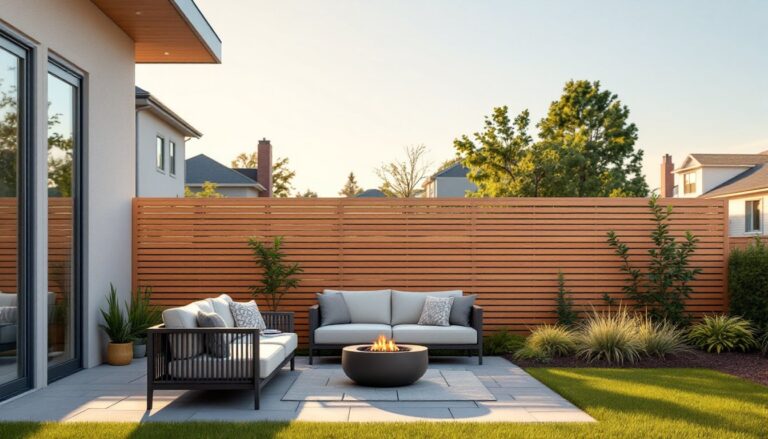
Outdoor furniture isn’t a patio set anymore, it’s zoning. Define spaces with weather-resistant sectionals, built-in benches, or DIY seating made from 2×4 pressure-treated framing and outdoor cushions. Think about traffic flow and function first, decoration second.
Key elements for livable zones:
- Defined flooring: Pavers, gravel, or composite decking separate seating from lawn. Gravel costs $1–3 per square foot installed: pavers run $8–20 depending on material.
- Overhead structure: A pergola or shade sail makes the space usable in midday sun. Cedar or redwood naturally resist rot: pressure-treated pine needs regular sealer.
- Storage solutions: Deck boxes double as benches and hide cushions from rain. Look for HDPE or resin, they won’t warp.
For a backyard entertainment area, consider adding a bar cart or outdoor kitchen island. A simple version can be built with a frame of 2×4s, clad in cedar fence pickets, and topped with exterior-grade plywood sealed with marine varnish.
Safety note: If building a raised deck over 30 inches, most jurisdictions require a permit and railing per IRC code (36-inch minimum height, balusters no more than 4 inches apart).
Add Ambiance with Outdoor Lighting
Lighting extends usable hours and changes the whole mood. But it’s not just about aesthetics, good outdoor lighting improves safety on steps and pathways.
Types to layer:
- String lights: Edison bulbs or globe lights strung overhead create instant atmosphere. Use 14- or 16-gauge outdoor-rated wire and keep total wattage under 80% of circuit capacity. A 15-amp circuit handles about 1,440 watts safely.
- Path lights: Solar is easy (no wiring), but hardwired low-voltage (12V) systems are brighter and more reliable. Transformers step down household current and should be GFCI-protected.
- Uplighting: LED spotlights at the base of trees or architectural features add depth. Look for fixtures rated IP65 or higher for weather resistance.
For a outdoor night party vibe, add dimmable options or color-changing LED strips under benches or railings. Most smart bulbs work outdoors if the fixture is rated for damp or wet locations.
Pro tip: Bury low-voltage wire at least 6 inches deep or run it through conduit to protect from shovels and lawn equipment. Mark the route on a diagram for future reference.
Incorporate Vertical Gardens and Greenery
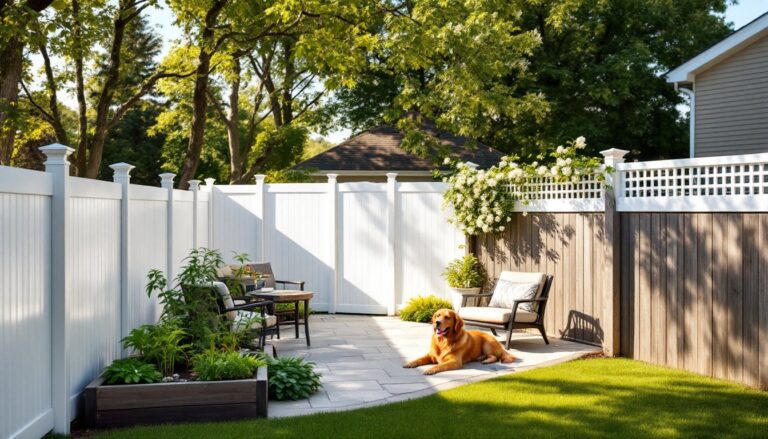
Vertical gardens maximize greenery in tight spaces and hide ugly fences or walls. They’re functional, not just decorative, many designs improve privacy and reduce reflected heat.
Options for going vertical:
- Trellises: Attach to fence posts or mount on standoffs (1-inch spacers) for airflow. Cedar lattice is inexpensive but flimsy: welded wire cattle panels (16-foot length, 50-inch height) cost around $25 and last decades.
- Wall planters: Galvanized steel or cedar pocket planters mount directly to siding or fences. Ensure proper drainage, standing water rots wood and rusts metal.
- Living walls: Modular systems with built-in irrigation work for herbs, succulents, or trailing plants. Expect to invest $15–30 per square foot for a kit.
According to design principles found on Gardenista, layering plants at different heights creates visual interest and makes small yards feel larger. Pair vines like clematis or climbing roses with perennials at the base.
Material prep: If mounting to wood siding, hit studs with 3-inch exterior screws. For masonry, use Tapcon screws or expansion anchors rated for the planter’s loaded weight. Neglecting proper anchoring is how planters end up in the neighbor’s yard during a storm.
Design a Focal Point with Water Features or Fire Pits
A focal point anchors the design and gives people a reason to linger. Water features and fire pits are the heavy hitters here, but they require planning beyond just looks.
Water features:
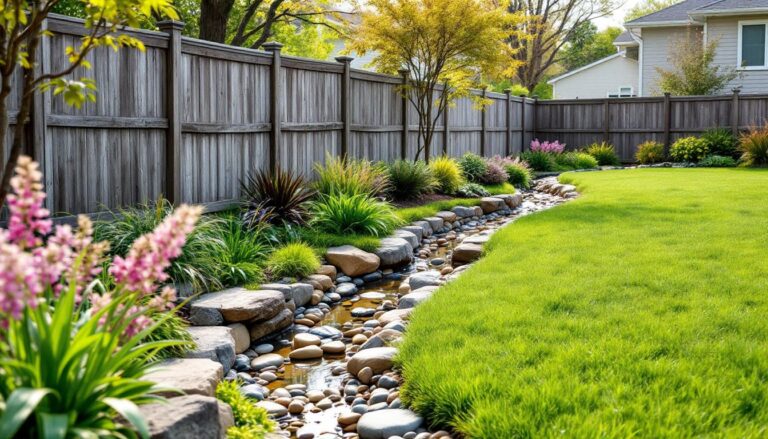
- Fountains: Self-contained models recirculate water with a small pump (20–100 watts). Place on a level base, patio pavers work: soft soil doesn’t.
- Ponds: Dig, line with EPDM rubber (45-mil thickness), and edge with flagstone. A 6×8-foot pond needs about 250 gallons and a pump rated for the volume. Expect mosquitoes unless adding a fountain or fish.
- Bubbler rocks: Drill through a boulder (masonry bit, water for cooling), set over a reservoir, and pump water up through the center. Easier than a pond, same soothing sound.
Fire pits:
- In-ground vs. above-ground: In-ground models need a gravel drainage base (6 inches minimum) and firebrick lining. Above-ground steel or cast iron is simpler and portable.
- Fuel type: Wood requires ventilation and ember containment (spark screen). Propane or natural gas needs a licensed gas fitter for permanent lines: DIY is limited to portable tanks with quick-disconnect fittings.
- Clearances: Keep 10 feet from structures, overhangs, and trees. Check local fire codes, some municipalities ban wood-burning pits entirely.
A properly executed outdoor entertaining space often centers around a fire feature. Surround it with Adirondack chairs or built-in stone seating.
Safety gear: When cutting stone or mixing mortar, wear safety goggles and a dust mask rated N95 or better.
Use Color and Textiles to Add Personality
Color and fabric are the fastest way to shift a backyard’s personality without power tools. But outdoor textiles face UV, moisture, and mildew, material choice matters.
Outdoor fabric grades:
- Solution-dyed acrylic: Sunbrella is the benchmark. Color is baked into fibers, so it won’t fade. Expect 5+ years of full-sun exposure.
- Polyester blends: Budget-friendly but fades faster. Works under a covered patio: not ideal in direct weather.
- Olefin: Water-resistant and mildew-resistant, but lower UV tolerance than acrylic.
Where to use color:
- Cushions and pillows: Swap covers seasonally. Store during winter to extend life.
- Outdoor rugs: Polypropylene rugs (indoor/outdoor rated) resist moisture and are easy to hose off. Size them like indoor rugs, front legs of furniture on the rug, or all legs on.
- Umbrellas and shade sails: Bright colors pop: neutral tones blend. Aluminum frames resist rust better than steel.
Readers interested in outdoor entertaining accessories will find that layering textiles, table runners, napkins, throw blankets, adds warmth and makes spaces feel intentional.
For painted surfaces, use 100% acrylic exterior paint. It flexes with temperature swings better than oil-based. One gallon typically covers 350–400 square feet: rough wood or masonry drinks more.
Repurpose and DIY Decor for Unique Touches
Repurposed and DIY decor adds character without the big-box price tag. It’s also a chance to use materials that would otherwise end up in a landfill.
Budget-friendly DIY projects:
- Pallet furniture: Disassemble heat-treated pallets (look for the HT stamp, not MB, methyl bromide is toxic). Sand, seal with exterior polyurethane, and assemble into benches, coffee tables, or vertical planters.
- Tin can lanterns: Punch patterns with a nail and hammer, spray paint, and drop in a tea light or battery-operated votive. Hang from shepherd’s hooks.
- Concrete planters: Mix Quikrete 5000 (high early strength) at a 4:1 water ratio, pour into nested molds (plastic bins work), and cure for 7 days under damp burlap. Seal with concrete sealer to prevent efflorescence.
- Ladder plant stands: Old wooden ladders make tiered displays for potted plants. Strip flaking paint, sand, and apply exterior stain.
For those planning something more elaborate, like a backyard wedding, DIY signage, table centerpieces, and draped fabric runners stretch budgets and personalize the event.
Inspiration from publications like Southern Living often highlights regional materials, reclaimed barn wood, river rock, or local stone, that tie outdoor spaces to their surroundings.
Tool alternatives: Cutting small stock? A miter saw delivers cleaner angles than a circular saw, but a circular saw with a speed square clamped as a guide works in a pinch. For drilling concrete, a rotary hammer is faster than a standard drill with a masonry bit, but both get the job done.
PPE reminder: When sanding or cutting treated lumber, wear a dust mask, safety goggles, and gloves. Pressure-treated wood contains copper compounds that irritate skin and lungs.
Conclusion
Backyards don’t need to be showrooms. The best outdoor spaces mix hard work, proper footings, level surfaces, code-compliant structures, with personality. Start with one zone or focal point, get it right, and build from there. Whether someone’s stringing lights or pouring a fire pit foundation, every upgrade should answer the question: Will this make me want to be outside more? If the answer is yes, it’s worth the sawdust.