Table of Contents
ToggleAdding a functional room to your backyard isn’t just trendy, it’s a legitimate way to expand usable square footage without the cost and headache of a home addition. Whether you’re carving out office space, creating a guest suite, or building an entertainment hub, outdoor rooms offer flexibility that traditional remodels can’t match. The catch? These projects range from simple weekend builds to full-blown structures requiring permits, utilities, and professional help. This guide breaks down 15 practical ideas across four key categories, with real talk about what each option demands in terms of skill, budget, and legwork.
Key Takeaways
- Backyard room ideas solve space constraints without home renovations: outdoor builds add 50–80% ROI when properly permitted and constructed, while keeping construction disruptions outside your home.
- Four main backyard room categories—offices, guest suites, entertainment spaces, and creative studios—each have distinct budget ranges ($3,000–$40,000+) and code requirements that vary by jurisdiction.
- Always call your local building department before starting: zoning laws, permit requirements, setback restrictions, and HOA rules differ dramatically by location and can prevent or complicate unpermitted builds.
- Foundation, electrical, and plumbing work should be planned during design, not after: improper installation wastes money and creates safety hazards, especially for sleeping quarters and year-round structures.
- Insulation, climate control, and weatherproofing are investments that determine whether a backyard room remains usable through seasons—spray foam and mini-split systems cost more upfront but deliver year-round functionality.
- Building without permits risks costly teardowns and home-sale complications; invest the $200–$800 permit fee and follow inspections to ensure code compliance and protect your investment.
Why Add a Backyard Room to Your Property?
A backyard room solves the perennial space crunch without disturbing your home’s existing footprint. Unlike interior renovations that force you to live in construction dust for weeks, outdoor builds keep the chaos outside.
Functional square footage gains are the obvious draw. A 120-square-foot shed studio adds room your house physically lacks. Property value typically rises, though the return on investment hinges on build quality and whether the structure requires permanent foundation work. Expect 50–80% ROI on professionally built, permitted structures in desirable markets.
Zoning and permit realities vary wildly by jurisdiction. Structures under 120 square feet often avoid permits in many counties, but add electrical or plumbing and you’re triggering inspections. Setback requirements, typically 5–10 feet from property lines, limit placement. Homeowners associations add another layer of restrictions. Call your local building department before buying materials.
Cost considerations span a massive range. A basic 10×12 shed conversion runs $3,000–$8,000 in materials if you’re doing the labor. A custom-built, insulated studio with HVAC and electrical? Expect $15,000–$40,000 or more, depending on finishes and site prep. Insurance may require additional coverage for detached structures, especially those with utilities.
Outdoor Office and Workspace Solutions
Remote work made backyard offices a practical necessity. A dedicated workspace beats the dining room table, and the commute is unbeatable.
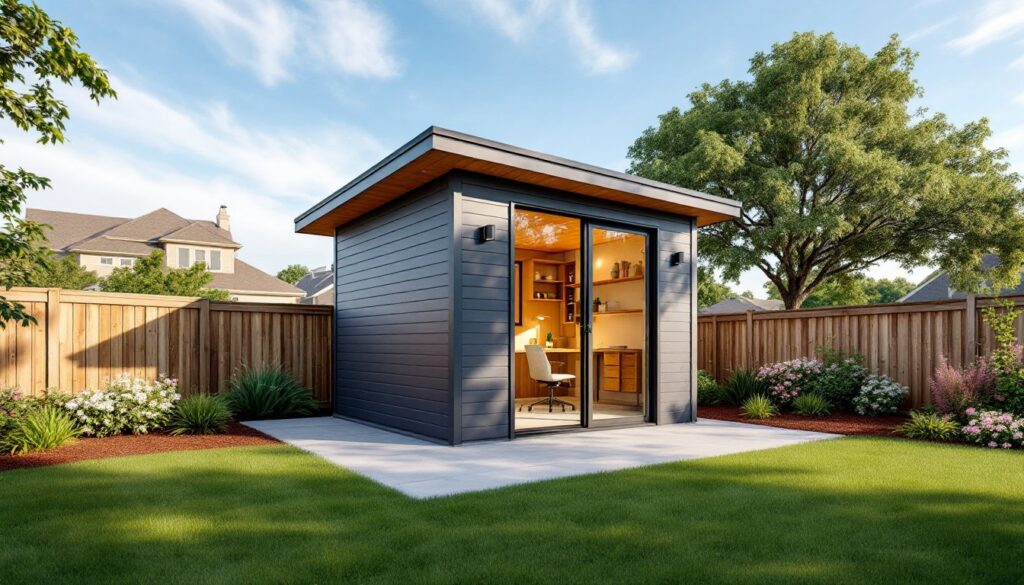
Prefab office pods are turnkey solutions. Companies like Studio Shed and Kanga Room Systems offer insulated, wired units starting around $10,000 for basic models. These typically arrive on a trailer, require a level foundation (concrete pad or compacted gravel with pavers), and need an electrician to run power from your main panel. Budget $1,500–$3,000 for a 50-amp subpanel and buried conduit if the run exceeds 50 feet.
Converted sheds offer the DIY route. A standard 10×12 storage shed ($2,500–$5,000 installed) becomes an office with insulation, drywall, a window AC unit, and a space heater. Roxul or fiberglass batt insulation (R-13 minimum for walls, R-19 for ceiling) makes it usable year-round in moderate climates. Run 12/2 Romex from a dedicated 20-amp breaker for outlets and lighting, hire a licensed electrician if you’re not comfortable with panel work.
Shipping container offices deliver an industrial aesthetic. A 20-foot container costs $2,000–$4,000 used, but converting it properly isn’t cheap. You’ll need spray foam insulation (containers turn into ovens and freezers without it), cut-in windows and doors, interior framing, and electrical. Total build cost often hits $15,000–$25,000. Containers need a level foundation, concrete piers or a gravel pad with railroad ties work.
Greenhouse office hybrids combine workspace with plant growing. A polycarbonate or glass greenhouse ($1,500–$5,000 depending on size) fitted with a desk area offers natural light and green surroundings. Ventilation is critical, add roof vents or an exhaust fan to prevent overheating. Not ideal for video calls if you need sound control, but perfect for creative work.
Cozy Guest Rooms and Sleeping Quarters
A backyard guest room keeps visitors comfortable without surrendering your home’s privacy. Building codes get stricter here, sleeping spaces often trigger egress window requirements and may need HVAC.
Tiny house guest suites are fully equipped mini-homes. These typically sit on permanent foundations (frost footings required in cold climates) and include a bathroom and kitchenette. Plumbing adds significant cost, expect $3,000–$6,000 to trench water and sewer lines from your house, plus the cost of fixtures. A composting toilet and tankless electric water heater sidestep some plumbing headaches but still require careful planning.
Glamping-style tents and yurts offer a middle ground. Canvas wall tents ($800–$2,000) on wooden platforms provide seasonal guest space without permanent construction. Yurts ($5,000–$15,000 for the kit) require a round deck or platform and can include insulation and windows for year-round use. Neither typically requires permits if they’re considered temporary structures, but confirm locally.
Finished shed conversions work if you add creature comforts. A 12×16 shed gives you 192 square feet, enough for a queen bed, small seating area, and storage. Insulate thoroughly, install a mini-split heat pump ($1,200–$2,500 installed) for climate control, and add a proper exterior door with weatherstripping. Egress windows (minimum 5.7 square feet of opening, no more than 44 inches above the floor per IRC) are required for sleeping rooms in most jurisdictions.
Safety and code compliance aren’t optional for sleeping spaces. You need working smoke detectors (hardwired if you’re running electrical), carbon monoxide detectors if you have any fuel-burning appliances, and that egress window. A well-lit, level path to the main house prevents nighttime stumbles. Some municipalities won’t permit backyard sleeping quarters at all, check before you build.
Entertainment and Recreation Spaces
Entertainment spaces lean more toward DIY-friendly projects since they don’t typically need the same level of weatherproofing or utilities as living spaces.
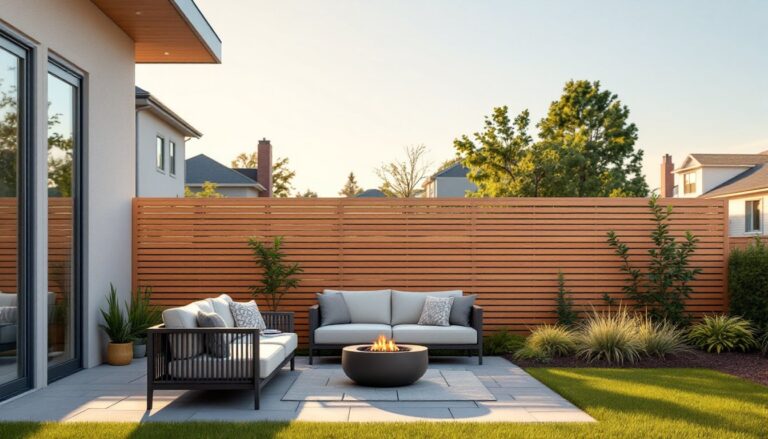
Outdoor bars and tiki huts create focal points for gatherings. A simple tiki bar can be built with pressure-treated 4×4 posts, a plywood bar top covered in weather-resistant material, and a thatched palm roof (real or synthetic). Budget $500–$1,500 for materials if you’re building from scratch. Add a small refrigerator and you’ll need a GFCI-protected outlet, outdoor receptacles must be GFCI per NEC code. Creating a covered outdoor entertainment space helps extend the usability through various weather conditions.
Game rooms and rec spaces work well in larger sheds or garages. A 16×20 structure gives you 320 square feet, enough for a pool table, dartboard, and seating. Insulation and climate control matter if you’re housing electronics or want year-round use. A ductless mini-split is usually the most practical HVAC solution for detached spaces. Drywall over studs keeps things finished: tongue-and-groove pine boards offer a quicker, more rustic alternative.
Home theater and media rooms demand light control and sound management. Black-out curtains or cellular shades handle daylight. For sound, R-19 insulation in walls helps but won’t make the space soundproof, add mass-loaded vinyl barriers or double-drywall construction if noise bleed is a real concern. A good projector setup runs $800–$2,000: screens range from $200 for a basic pull-down to $1,000+ for motorized. Comfortable seating and a nearby outdoor setup encourage extended outdoor entertaining into the evening hours.
Sports and fitness studios need durable flooring. Rubber gym tiles ($2–$4 per square foot) protect the subfloor and your joints. Mirrors ($100–$300 for a 4×6-foot panel) help with form checks. Ventilation is critical, a box fan in the window works for mild climates, but a proper exhaust fan or mini-split keeps things comfortable during intense workouts. Mount heavy bags to ceiling joists (find the joists with a stud finder: 2×8 or larger joists handle the load safely).
Garden Studios and Creative Retreats
Creative spaces benefit from natural light and separation from household distractions. These builds often prioritize aesthetics alongside function.
Art studios and workshops need good lighting and ventilation. North-facing windows provide consistent, indirect light, ideal for painting or drawing. Install a bathroom exhaust fan or range hood if you’re working with solvents, paints, or wood finishes. Fume exposure in enclosed spaces is no joke: proper ventilation isn’t optional. Add plenty of outlets (one every 6 feet along walls is a good rule) for tools and task lighting.
Music practice rooms require sound dampening. Acoustic panels ($50–$150 each) on walls and ceilings reduce echo but won’t soundproof the space. For real isolation, you need mass: double drywall with Green Glue damping compound between layers, solid-core doors, and weatherstripping. Budget $3,000–$6,000 to properly soundproof a 10×12 room. Design experts at Better Homes & Gardens frequently showcase creative studio solutions for various budgets and space constraints.
Reading nooks and meditation spaces are low-tech builds. A simple 8×8 platform with walls and a roof creates a retreat. Use cedar or redwood siding for natural weather resistance, or opt for fiber cement boards (like Hardie Board) for low-maintenance durability. A few windows, a comfortable chair, and minimal electrical (one or two outlets, a reading light) complete the space. Total material cost for a basic build: $1,500–$3,000.
Potter’s sheds and craft studios need water access for some crafts. A frost-free outdoor faucet ($50–$100) mounted outside works for warm months: running interior plumbing requires trenching and insulated lines in cold climates. Durable, easy-to-clean flooring matters, luxury vinyl plank ($2–$5 per square foot) handles moisture and cleans easily. Storage is king in craft spaces: wall-mounted shelves, pegboards, and cabinets keep supplies organized and work surfaces clear.
Essential Planning and Design Considerations
Successful backyard rooms start with thorough planning. Skipping this phase leads to costly surprises mid-project.
Foundation and site prep anchor everything. Gravel pads with landscape fabric work for sheds under 200 square feet in mild climates. Larger structures or frost-prone areas need concrete footings below the frost line (check local frost depth, it ranges from 12 inches in the South to 48+ inches in northern states). A 12×16 concrete slab runs $1,500–$3,000 poured, depending on site access and grading needs. Level ground saves money: steep slopes require retaining walls or pier foundations.
Electrical and plumbing rough-ins should happen during the build, not after. Running UF (underground feeder) cable in PVC conduit from your main panel to the backyard structure requires trenching 18–24 inches deep per NEC code. Hire an electrician unless you’re confident pulling permits and doing panel work. Plumbing follows similar rules: PEX tubing is DIY-friendly for water lines, but sewer lines need proper slope (1/4 inch per foot minimum) and often require professional installation.
Insulation and climate control determine year-round usability. Closed-cell spray foam (R-6 per inch) offers the best performance in tight spaces but costs $1.50–$3 per square foot installed. Fiberglass batts (R-13 to R-19) cost less ($0.50–$1 per square foot) but require careful installation to avoid gaps. Don’t forget a vapor barrier, 6-mil polyethylene sheeting on the warm side of the insulation prevents moisture buildup. Experts at Gardenista outline budget-conscious approaches that don’t sacrifice functionality.
Weatherproofing and durability extend the structure’s life. Use pressure-treated lumber for any wood touching the ground (rated for ground contact, not just above-ground use). Drip edge and ice-and-water shield under roofing shingles prevent leaks. Seal all penetrations, electrical boxes, plumbing vents, windows, with appropriate caulk or flashing. A quality exterior paint or stain ($30–$60 per gallon, covering 250–400 square feet per coat) protects siding from UV and moisture.
Local codes and HOA rules are the final gatekeepers. Some HOAs ban detached structures entirely. Others require architectural approval and specific materials or colors. Permits typically cost $200–$800 depending on project scope and include inspections at key stages (foundation, framing, electrical, final). Building without permits can force you to tear down the structure or face fines, and it complicates future home sales. Do the paperwork.
Conclusion
Backyard rooms offer genuine living space expansion, but the gap between Pinterest dreams and permit-ready builds is wide. Start with a clear purpose, an honest budget, and a phone call to your local building department. The best outdoor room is the one that’s actually built to code, fits your property, and serves your household for years, not the one that looked great in a magazine.