The kitchen is often considered the heart of the home, where culinary creativity meets daily life. A well-designed kitchen layout not only enhances functionality but also creates a welcoming atmosphere for family and friends. With various styles to choose from, understanding the nuances of different kitchen layouts can transform cooking and entertaining experiences.
From the efficient work triangle to the popular open concept, each layout offers unique benefits tailored to individual needs. Whether someone is a seasoned chef or a casual cook, the right kitchen design can make all the difference. This article explores various kitchen layouts, providing insights into how they can optimize space and improve workflow, ensuring every meal is a delightful experience.
Popular Kitchen Layouts
Various kitchen layouts cater to distinct cooking styles, assisting in space utilization and workflow efficiency. Below are four popular kitchen layouts, each designed to meet different functional needs.
The Galley Kitchen
The galley kitchen features two parallel walls with a central walkway. This design maximizes space, making it ideal for smaller homes or apartments. It encourages efficient movement between cooking zones, adhering to the work triangle principle. Essential elements include:
- Cabinets on both sides for ample storage
- Counter space along both walls for meal preparation
- A narrow layout that minimizes distance between appliances
The L-Shaped Kitchen
The L-shaped kitchen consists of two adjoining walls, forming an L shape. This layout suits open-plan designs, promoting an interactive cooking environment. Key attributes include:
- Flexible design that accommodates multiple work zones
- Space for dining or gathering areas, enhancing social interaction
- Opportunities for incorporating an island or peninsula
The U-Shaped Kitchen
The U-shaped kitchen employs three walls of cabinetry, creating a compact work area. This layout offers great efficiency for serious cooks, as it keeps everything within easy reach. Important features include:
- Extensive countertop space ideal for meal prep
- Multiple storage options to reduce clutter
- Ability to isolate cooking areas, enhancing safety and focus
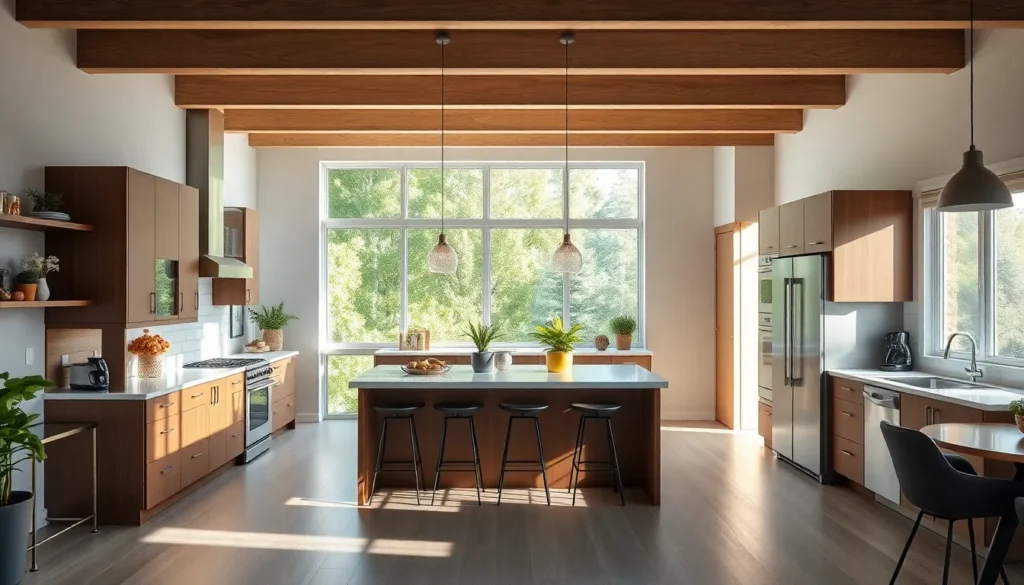
The Island Kitchen
- Added counter space for meal preparation or entertaining
- Room for appliances like sinks or cooktops within the island
- Visual appeal that enhances the overall kitchen design
Factors to Consider in Kitchen Layouts
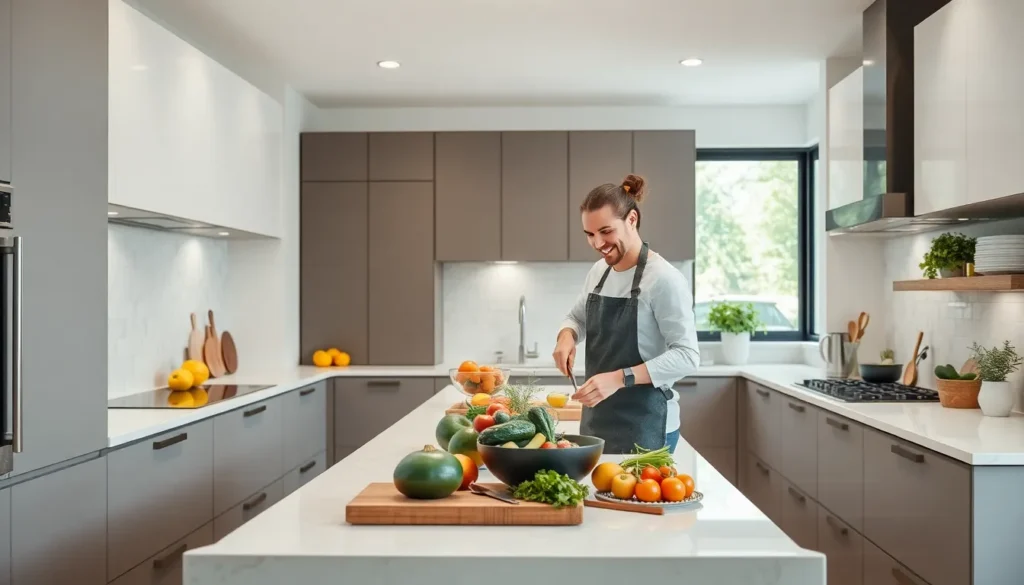
Assessing kitchen layouts requires careful consideration of several critical factors that directly impact functionality and comfort. Key elements include space and size, cooking habits, storage needs, and traffic flow.
Space and Size
Space and size are fundamental determinants in kitchen design. He or she must evaluate the total square footage and dimensions to choose a layout that fits the area effectively. For instance, small kitchens benefit from compact designs like the galley or L-shaped layouts, which maximize efficiency without overcrowding the space. Larger kitchens allow for versatile configurations, such as U-shaped or island designs, providing ample room for multiple work zones.
Cooking Habits
Cooking habits significantly influence layout decisions. They must consider frequency of cooking, number of meals prepared, and preferred cooking styles. For avid cooks, a U-shaped or island layout facilitates multiple work zones and easy access to cooking tools. Those who favor casual dining or entertaining may prefer an open-concept L-shaped kitchen, promoting interaction and accessibility while preparing meals.
Storage Needs
Storage needs determine how functional a kitchen becomes. He or she should assess the number of items requiring storage, including kitchen utensils, appliances, and pantry items. Limited storage areas necessitate efficient layouts such as galley kitchens with built-in cabinets or L-shaped designs featuring ample cabinetry. Innovative storage solutions, like deep drawers and corner cabinets, enhance usability and organization in any kitchen size.
Traffic Flow
Traffic flow ensures smooth movement throughout the kitchen. A well-planned layout minimizes bottlenecks and promotes accessibility. He or she should create designated pathways, ideally allowing at least 36 inches between workstations. An open-concept kitchen encourages fluid movement between cooking, dining, and social areas. In smaller kitchens, thoughtful placement of appliances and cabinetry helps maintain an efficient flow even in limited space.
Benefits of Different Kitchen Layouts
Various kitchen layouts provide distinct advantages, enhancing both functionality and visual appeal within a home. Understanding these benefits helps homeowners select a layout that meets specific needs.
Efficiency and Functionality
Efficient kitchen layouts streamline meal preparation and allow for quick movement between essential areas. The galley kitchen promotes workflow with a design that keeps the stove, sink, and refrigerator close together, minimizing steps during cooking. The L-shaped kitchen offers ample counter space, allowing multiple cooks to work simultaneously without disruption. U-shaped kitchens create distinct work zones, facilitating focused tasks and enhancing efficiency. Meanwhile, island kitchens provide additional surface area for prepping, cooking, and socializing, integrating functionality into daily kitchen use.
Aesthetic Appeal
Different kitchen layouts enhance the overall aesthetic of a home. Open-concept designs foster a spacious appearance, creating an inviting atmosphere for family gatherings and entertaining guests. The L-shaped kitchen complements modern décor, incorporating natural light and views into the cooking area. U-shaped kitchens often evoke a cozy, enclosed feel without sacrificing style, making them appealing to both cooks and visitors. Island layouts serve as focal points, combining beauty with purpose, often featuring stylish materials and finishes that elevate the kitchen’s design.
Versatility for Cooking
Versatile kitchen layouts adapt to various cooking styles and preferences. Galley kitchens maximize narrow spaces, allowing for efficient storage and organization, perfect for those with smaller homes. L-shaped kitchens accommodate different functions simultaneously, enabling casual cooking and dining experiences. U-shaped kitchens support serious cooking endeavors by providing expansive workspace and storage options. Island kitchens offer space for additional appliances or seating areas, catering to both meal preparation and relaxation, making them suitable for a range of culinary activities.
Tips for Designing Your Kitchen Layout
Effective kitchen design maximizes functionality and promotes an enjoyable cooking experience. Attention to workflow, materials, and storage greatly influences kitchen performance.
Planning the Workflow
Planning the workflow enhances kitchen efficiency. Position major appliances—refrigerator, stove, and sink—in a triangular layout to minimize movement. Arrange prep areas, cooking zones, and cleaning spaces for a seamless flow. Keep frequently used items within easy reach to reduce unnecessary movement, ensuring a more productive cooking environment. Assess individual cooking habits; avid cooks might prioritize space for multiple chefs, while those who enjoy baking may focus on specific work zones for preparation.
Choosing the Right Materials
Choosing suitable materials affects both durability and aesthetics. Opt for heat-resistant surfaces like quartz or granite for countertops. Select easy-to-clean materials for backsplashes, such as ceramic tiles or stainless steel. Use moisture-resistant finishes for cabinetry to withstand humidity. Incorporate non-slip flooring for safety, especially in high-traffic areas. Select colors and textures that complement the overall kitchen style, creating a cohesive look while providing functionality.
Incorporating Storage Solutions
Incorporating effective storage solutions maximizes space and organization. Utilize vertical cabinets and open shelving to make the most of wall space. Include pull-out drawers and cabinets for easy access to pots, pans, and small appliances. Implement built-in solutions like lazy Susans or pull-out pantry shelves for easier organization. Consider multi-functional furniture, such as kitchen islands with storage compartments, to enhance utility without occupying excess space. Strategic storage planning transforms cluttered areas into organized, efficient environments.
Choosing the right kitchen layout is essential for creating a space that meets both functional needs and aesthetic preferences. Each layout offers unique advantages that cater to different cooking styles and space constraints. Whether it’s a galley kitchen maximizing efficiency in smaller homes or an island kitchen fostering social interaction during meal prep, understanding these designs can significantly enhance the cooking experience.
By carefully considering factors like space, cooking habits, and storage needs, anyone can optimize their kitchen layout. Thoughtful planning not only improves workflow but also elevates the overall atmosphere of the home, making the kitchen a true heart of the household. Embracing the right layout transforms cooking and entertaining into enjoyable and seamless activities.