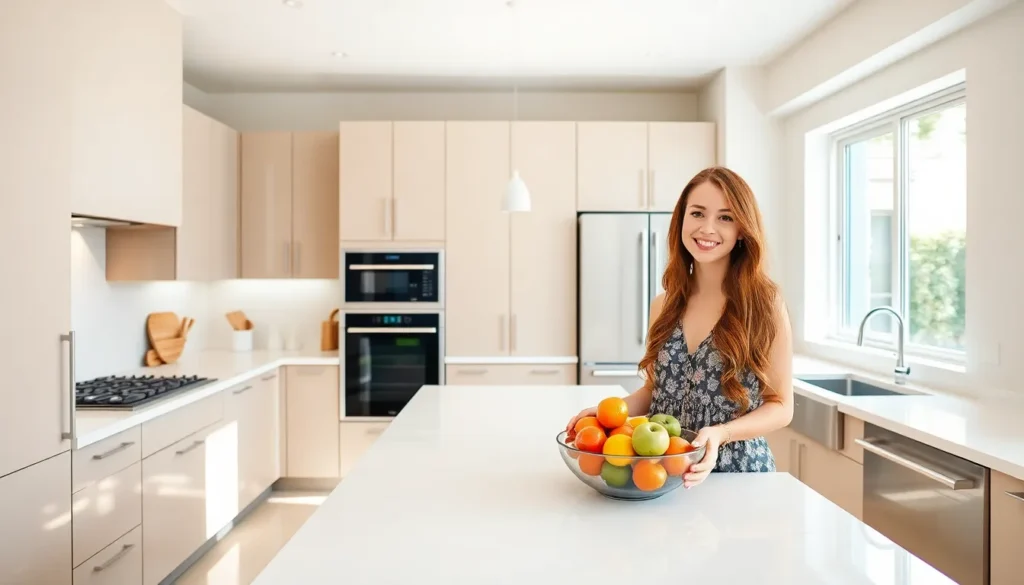
A kitchen is more than just a cooking space; it’s the heart of the home where families gather and memories are made. However, many homeowners make common design mistakes that can turn this vital area into a source of frustration rather than joy. From poor layout choices to inadequate storage solutions, these missteps can hinder functionality and aesthetics.
Understanding these pitfalls is essential for anyone looking to create a beautiful and efficient kitchen. By identifying and avoiding these mistakes, homeowners can ensure their kitchen not only looks great but also meets their everyday needs. Let’s dive into the most prevalent kitchen design mistakes and how to steer clear of them for a space that truly shines.
Common Kitchen Design Mistakes
Identifying kitchen design mistakes can improve functionality and aesthetic appeal. Homeowners frequently overlook critical elements that hinder their kitchen experience.
Ignoring the Work Triangle
Ignoring the work triangle complicates kitchen efficiency. The work triangle connects the sink, stove, and refrigerator, forming the foundation of a functional kitchen layout. When these key areas are too far apart or poorly arranged, it leads to unnecessary movement and frustration. Adhering to the recommended distance of 4 to 9 feet between these points ensures optimal workflow and convenience.
Poor Storage Solutions
Poor storage solutions create clutter and inefficiency. Insufficient cabinets or drawers result in limited storage space, forcing items to remain out in the open. Incorporating strategic storage solutions, such as pull-out shelves, pantries, and vertical storage, maximizes space utilization. Homeowners should also aim for cabinetry that reaches the ceiling to reduce unused areas and maintain a clean look.
Layout Errors
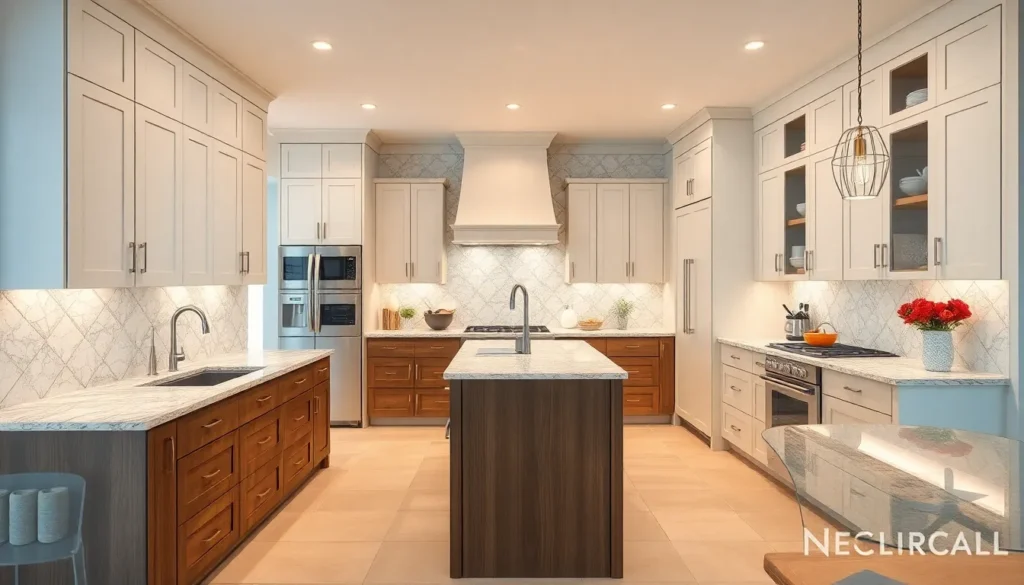
Layout errors significantly impact kitchen functionality. Avoiding common pitfalls leads to a more efficient and enjoyable space.
Inadequate Counter Space
Inadequate counter space often limits cooking and food preparation. Insufficient surfaces for meal prep can lead to clutter and frustration. Aim for a minimum of 36 inches of clear counter space next to the stove and sink. Islands or peninsula designs can offer additional workspace, enhancing usability. Incorporate surfaces made of durable materials, like quartz or granite, to withstand daily use and maintain aesthetics.
Not Considering Traffic Flow
Not considering traffic flow creates congestion in the kitchen. Proper layout ensures a smooth movement between work zones, preventing collisions. Maintain at least 42 inches of clearance between counters or islands to allow for easy passage. Position appliances and cabinets strategically to streamline workflow. A well-planned layout enables multiple users to work concurrently without interference.
Aesthetic Missteps
Aesthetic missteps can significantly detract from a kitchen’s overall appeal. These mistakes often involve color choices and space utilization that disrupt harmony and functionality.
Clashing Colors and Styles
Clashing colors and styles create visual chaos. Homeowners frequently select bold paint colors or mismatched finishes, which complicate the aesthetic flow. Choosing a cohesive color palette, typically consisting of three to five complementary colors, promotes a unified look. Incorporating consistent materials and textures, such as wood, metal, and stone, enhances visual appeal while avoiding jarring contrasts. For instance, pairing deep navy cabinets with brushed gold hardware offers sophistication and balance.
Overcrowding the Space
Overcrowding the space limits both functionality and comfort. Excessive decorative pieces or oversized furniture can make a kitchen feel cramped. Maintaining open areas is crucial for an inviting atmosphere. Implementing minimalist design principles—like open shelving instead of bulky cabinets—can alleviate visual clutter while still showcasing essential items. Additionally, leaving ample walking space around islands and counters, ideally at least 42 inches, aids movement and enhances usability. Thoughtful accessories, such as a few well-chosen plants or decorative utensils, can add character without overwhelming the space.
Functional Oversights
Functional oversight can significantly impact kitchen efficiency. Homeowners frequently overlook aspects that influence daily use and enjoyment of the space.
Choosing the Wrong Appliances
Choosing appliances that don’t fit the kitchen’s functional needs can lead to frustration. Homeowners must select appliances based on size, energy efficiency, and user needs. For instance, opting for a microwave that’s too small limits cooking options, while oversized models occupy valuable counter space. Appliances should be integrated into the design, ensuring they complement the layout and workflow. Additionally, investing in high-quality, energy-efficient appliances can reduce long-term costs and enhance kitchen functionality.
Neglecting Lighting Needs
Neglecting proper lighting creates a workspace that feels cramped and uninviting. A well-designed kitchen incorporates a mix of ambient, task, and accent lighting. Recessed lights over work areas improve visibility, while pendant lights above islands add style and focus. Homeowners should position under-cabinet lighting to illuminate countertops, enabling safer food preparation. Using natural light through windows and skylights also enhances the kitchen environment, making it brighter and more welcoming. Adequate lighting addresses both practical tasks and the kitchen’s overall atmosphere.
Avoiding common kitchen design mistakes can transform a space into a functional and inviting environment. By prioritizing an efficient layout and incorporating adequate storage solutions, homeowners can enhance both usability and aesthetics. Thoughtful choices in color palettes and decor ensure a cohesive look that doesn’t overwhelm.
Additionally, selecting the right appliances and ensuring proper lighting contributes to a kitchen that not only serves its purpose but also welcomes family and friends. With careful planning and attention to detail, it’s possible to create a kitchen that truly embodies the heart of the home.