Finding the right home insurance can feel overwhelming, especially with so many options available. Home insurance quotes play a crucial role in helping homeowners understand their coverage options and costs. By comparing quotes, they can make informed decisions that protect their most valuable asset.
Understanding the factors that influence home insurance rates is essential. Elements like location, property value, and even personal claims history can significantly impact the quotes received. This article will explore how to navigate the process of obtaining home insurance quotes, ensuring homeowners get the best coverage for their needs without breaking the bank.
Understanding Home Insurance Quotes
Home insurance quotes provide valuable insights into coverage options and pricing. Understanding how these quotes work aids homeowners in making informed choices regarding their insurance needs.
What Are Home Insurance Quotes?
Home insurance quotes represent estimates from insurance companies detailing the cost of coverage for a specific property. Quotes outline the types of coverage included, such as dwelling protection, personal property coverage, and liability protection. They may also specify deductibles and premiums. Homeowners typically receive multiple quotes to compare coverage options and costs, allowing them to select the policy that best fits their requirements.
How Quotes Are Calculated
Quotes are calculated based on various factors influencing risk and potential claim costs. Key factors include:
- Location: Proximity to risks such as fires, floods, or criminal activity affects rates.
- Property Value: The home’s market value or replacement cost directly impacts the coverage amount.
- Construction Type: Building materials and architectural styles influence durability and repair costs.
- Claim History: A homeowner’s prior claims affect trust with the insurer, impacting premiums.
- Credit Score: In many states, credit history is considered, as it often correlates with risk.
Insurance companies weigh these factors to assess risk and assign a premium, ensuring that rates reflect the likelihood of claims based on specific circumstances.
Factors Influencing Home Insurance Quotes
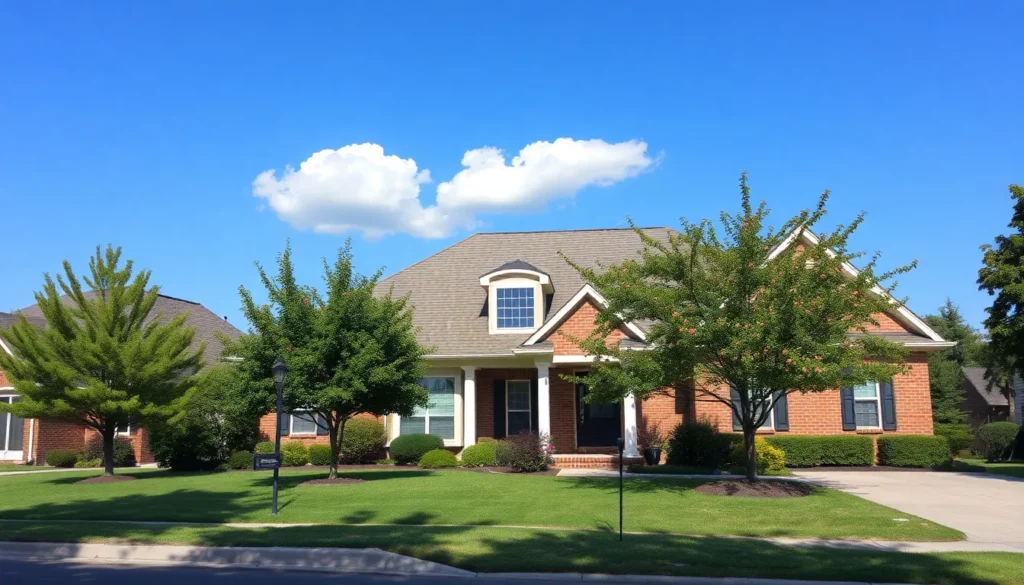
Home insurance quotes depend on several critical factors. Understanding these factors allows homeowners to better navigate their options and select suitable coverage.
Property Location
Property location significantly impacts home insurance quotes. Areas prone to natural disasters, such as floods or earthquakes, typically incur higher premiums due to increased risk. Urban locations with higher crime rates also influence rates, as they present greater risk for theft and vandalism. In contrast, homes in safer neighborhoods or areas with lower natural disaster risks may result in lower insurance costs. Insurers assess local building codes and community services, including fire departments, which can further adjust premium calculations.
Home Characteristics
Home characteristics play a crucial role in determining insurance quotes. Factors such as age, size, and type of construction influence risk assessments. Older homes may require updated wiring or plumbing, leading to higher premiums if inadequacies exist. Similarly, larger homes often result in higher coverage amounts, directly affecting premium costs. Specific building materials, like brick or stucco, can lower risk, thus decreasing quotes. The presence of safety features, such as smoke detectors, security systems, or deadbolts, typically enhances safety ratings, which may lead to reduced premiums.
Types of Home Insurance Quotes
Homeowners can obtain home insurance quotes through various methods, each offering unique benefits. Understanding these types helps homeowners make informed decisions when securing coverage.
Online Quotes
Online quotes provide homeowners with a convenient way to compare insurance premiums and coverage options. Homeowners can enter specific property details into an insurer’s website and receive an instant estimate. This method allows for quick comparisons across multiple providers. Many websites offer tools that help users input relevant data, ensuring accurate quotes. Online quotes typically include details such as dwelling protection, personal property coverage, and liability limits. However, these estimates may not account for individualized factors, so additional adjustments may be necessary based on personal circumstances.
Agent-Assisted Quotes
Agent-assisted quotes involve direct interaction with insurance agents, who can provide personalized assistance. Agents assess the homeowner’s needs and guide them through available coverage options. This method allows for tailored quotes based on in-depth evaluations of property specifics and risk factors. Agents often understand local market conditions, which can help homeowners navigate complex scenarios. Conversations with agents can also clarify policy details and potential discounts the homeowner may qualify for. Overall, agent-assisted quotes tend to reflect a more comprehensive view of the homeowner’s insurance needs.
Tips for Obtaining Accurate Home Insurance Quotes
Accurate home insurance quotes depend on the details provided and the comparisons made. Homeowners can benefit from following specific tips to enhance their quote accuracy and selection process.
Providing Correct Information
Providing precise and complete information about the property leads to more accurate quotes. Homeowners should consider the following details:
- Address: Clarify the exact location, including neighborhood and proximity to fire stations.
- Property Value: Specify the current market value of the home, including all improvements and renovations made.
- Home Characteristics: Indicate the type of construction materials used, the year of construction, size of the home in square feet, and the number of stories.
- Safety Features: List any installed safety features, such as smoke detectors, security systems, and fire extinguishers, which can influence risk assessments.
- Claim History: Share details about past claims on the property or personal claim history, as this affects premium calculations.
By ensuring accurate information, homeowners create an ideal foundation for obtaining reliable quotes.
Comparing Multiple Quotes
Comparing multiple quotes empowers homeowners to make informed decisions. Homeowners should keep these considerations in mind:
- Coverage Options: Evaluate the types of coverage offered in each quote, including dwelling protection, personal property, and liability coverage.
- Premium Rates: Analyze premium costs across different quotes to determine the most budget-friendly option with adequate coverage.
- Discount Opportunities: Inquire about available discounts, such as bundling policies, security systems, and claim-free history.
- Insurance Providers’ Reputation: Research insurers’ financial strength and customer service ratings to ensure chosen providers are reliable and responsive.
- Policy Exclusions: Review any exclusions or limitations in coverage terms, ensuring homeowners understand any potential gaps in protection.
By methodically comparing multiple quotes, homeowners enhance their chances of securing appropriate and cost-effective home insurance.
Navigating the world of home insurance quotes can be overwhelming but it’s essential for homeowners seeking the right coverage. By understanding the factors that influence insurance rates and the various methods to obtain quotes, homeowners can make informed decisions.
Taking the time to compare multiple quotes allows for a clearer picture of available options and potential savings. Homeowners should prioritize accuracy when providing information to ensure they receive the most reliable estimates. With the right approach and careful consideration, securing affordable and comprehensive home insurance becomes an achievable goal.